

Recent developments in the U.S. economy have introduced a series of challenges and opportunities that are impacting households and businesses nationwide. Understanding these changes is crucial for making informed decisions in the current economic climate.
New Tariffs and Their Implications
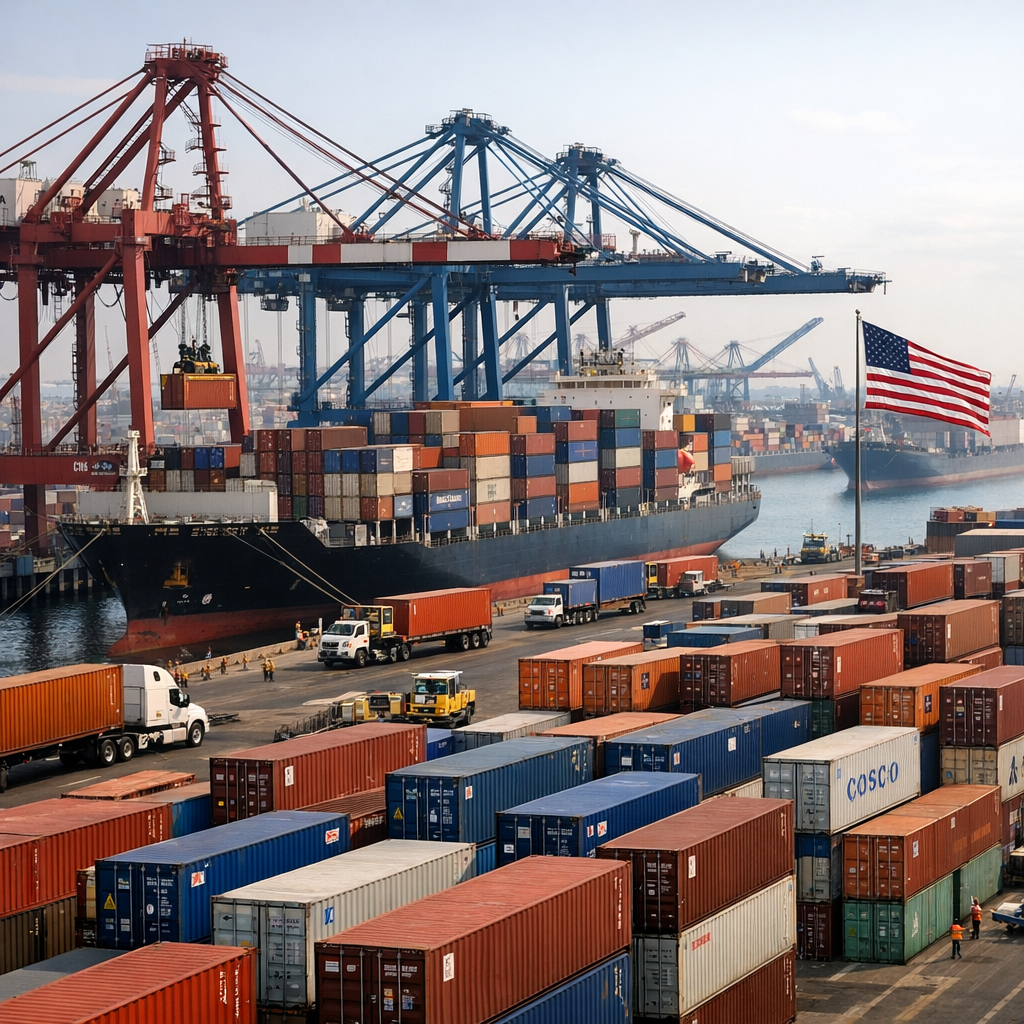
The administration has implemented new tariffs ranging from 10% to 12.5% on imports from 60 countries. These measures aim to address concerns over goods produced by forced labor. While intended to protect domestic industries, these tariffs may lead to increased costs for imported goods, potentially affecting consumer prices and business operations.
Rising Gasoline Prices
Gasoline prices have surged, with national averages climbing above $4.11 per gallon. This increase is attributed to rising crude oil prices and escalating tensions in the Middle East. Higher fuel costs can strain household budgets and impact transportation expenses for businesses.
Job Market Resilience
Despite economic uncertainties, the job market has shown resilience. Recent data indicates that jobless claims have dropped to their lowest point since 1969, with only 187,000 new unemployment applications filed last week. This suggests a strong labor market, providing some stability amid other economic fluctuations.
Mortgage Rates on the Rise
The average 30-year mortgage rate has increased to 6.58%, the highest level in nearly a year. For prospective homebuyers and those considering refinancing, this uptick means higher borrowing costs, which could influence decisions in the housing market.
Stock Market Volatility
Wall Street has experienced a down week, with stocks declining amid global turmoil and cautious earnings forecasts. Despite positive quarterly results from major firms, market volatility remains a concern for investors.
In summary, the U.S. economic landscape is currently characterized by a mix of protective trade measures, rising energy costs, a robust job market, increasing mortgage rates, and stock market fluctuations. Staying informed about these developments is essential for navigating the complexities of today’s economy.