

As the United States continues to navigate a complex economic environment, several key indicators provide insight into the nation’s financial health. Recent data suggests a modest cooling of inflation, yet consumer spending and housing market dynamics present challenges that warrant attention.
Inflation Trends
In July, the Consumer Price Index (CPI) rose by 3.4% compared to the previous year, a slight decrease from June’s 3.5%. This marks a second consecutive month of declining inflation rates, offering a glimmer of hope for consumers. However, it’s important to note that these figures remain elevated compared to pre-conflict levels, indicating that the economic impact of international tensions continues to be felt domestically.
Consumer Spending
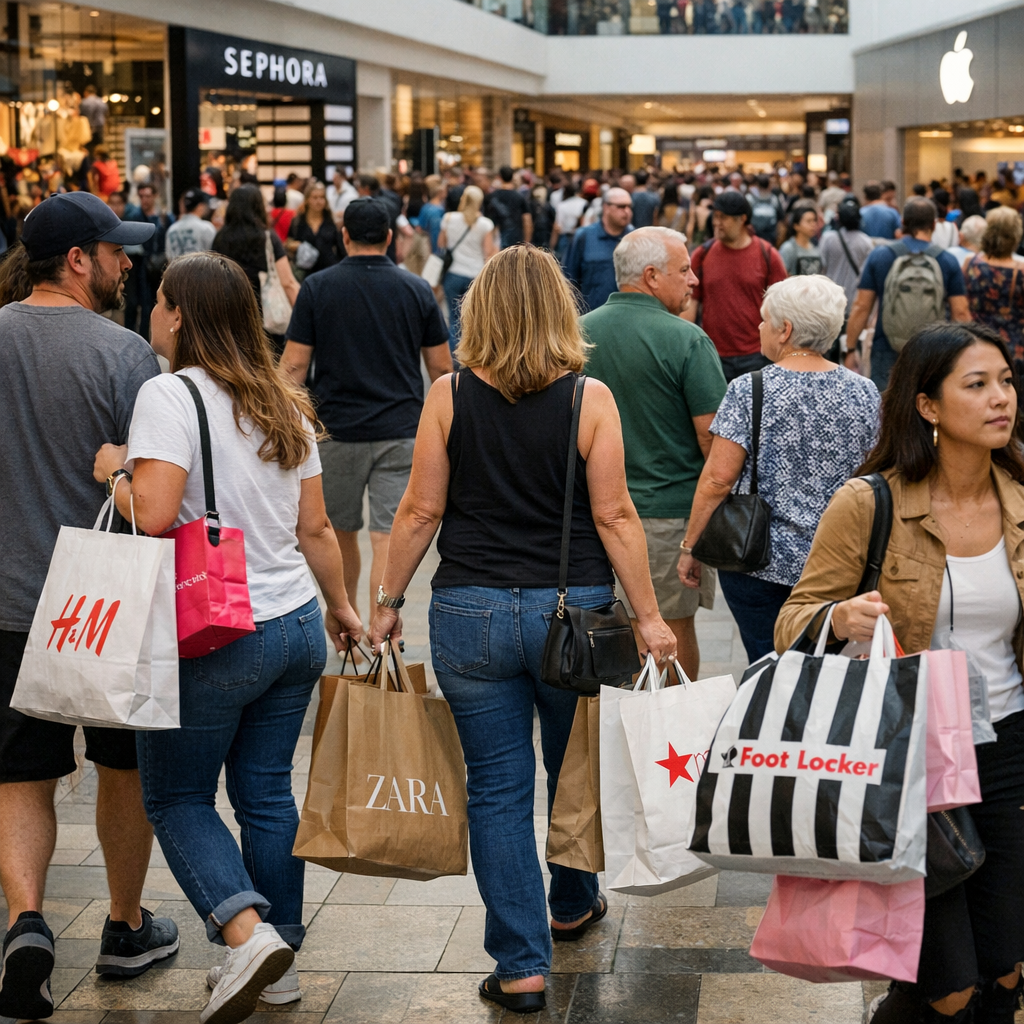
Despite the slight easing of inflation, consumer spending has shown signs of restraint. Retail sales experienced an unexpected decline of 0.6% in July, the most significant drop since May 2025. This downturn suggests that consumers are becoming more cautious, possibly due to the lingering effects of earlier economic stimuli and ongoing uncertainties.
Housing Market Dynamics
The housing market has also been affected, with existing home sales decreasing by 1.7% in July. This decline is attributed to record-high home prices and elevated mortgage rates, which have made homeownership less accessible for many Americans. Although the average 30-year mortgage rate saw a slight decrease to 6.67%, affordability remains a pressing concern for prospective buyers.
Labor Market and Stock Performance
On a more positive note, the labor market has demonstrated resilience. Unemployment claims rose to 209,000 but remain within a healthy range, reflecting solid job security. Additionally, U.S. stock markets have held near record highs, indicating investor confidence despite the challenges in other economic sectors.
Federal Reserve’s Stance
The Federal Reserve remains divided on the necessity of further interest rate hikes. While some policymakers advocate for additional measures to curb inflation, others caution against potential negative impacts on economic growth. This ongoing debate underscores the complexity of the current economic landscape and the need for balanced policy decisions.
In summary, while there are signs of inflation cooling, the U.S. economy continues to face challenges in consumer spending and the housing market. Staying informed and adaptable will be crucial for individuals and businesses alike as they navigate these evolving economic conditions.