

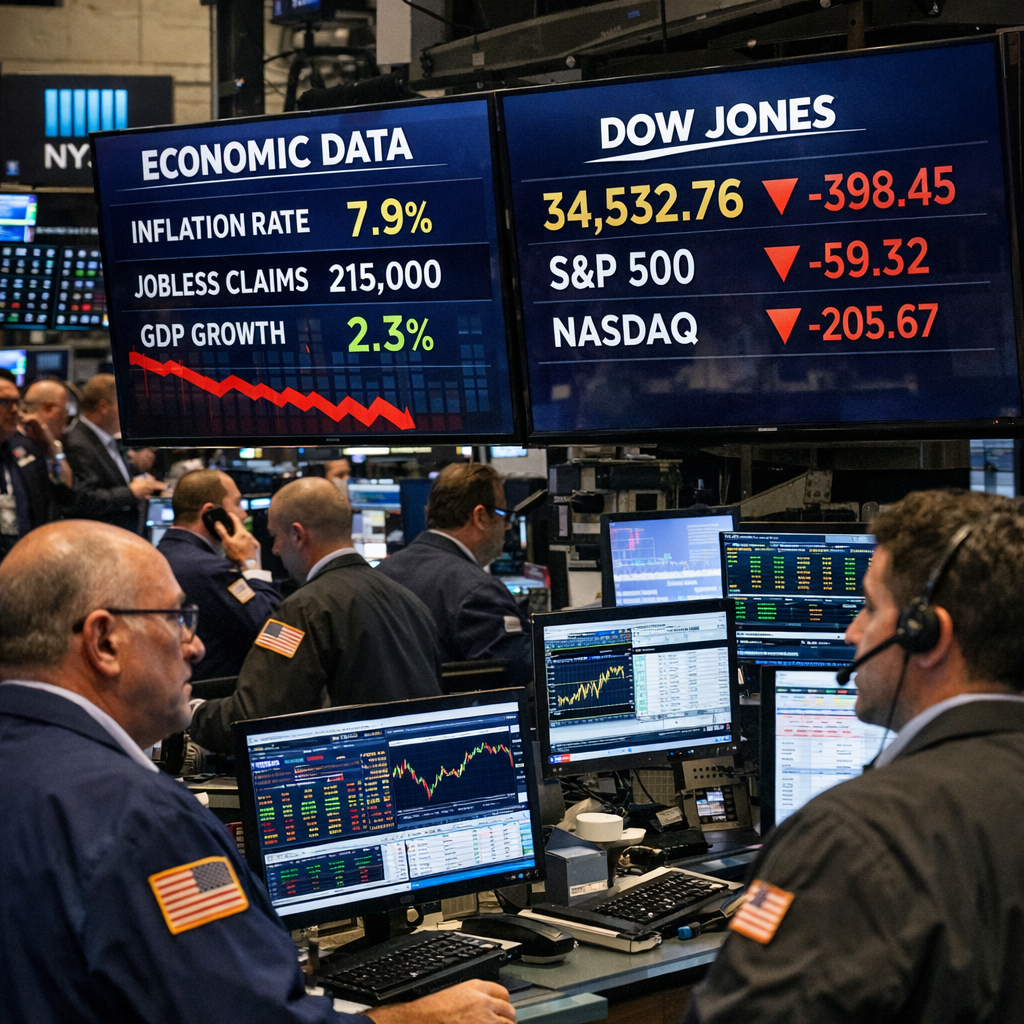
The U.S. economy is currently experiencing a period of moderate growth, with recent data indicating an expansion following a dip in early 2025. However, this growth has been slower than anticipated, with the fourth quarter of 2025 and the first quarter of 2026 showing lower-than-expected figures. The labor market continues to add jobs, yet long-term unemployment remains a concern. Inflation, while below its peak, persists stubbornly, affecting consumer purchasing power.
Trade Policies and Tariffs
Since taking office, President Donald Trump has pursued extensive tariffs affecting numerous U.S. trade partners. These tariffs have faced legal challenges, including a Supreme Court ruling that deemed all of Trump’s ‘reciprocal’ tariffs illegal. Despite these setbacks, the administration’s latest set of proposed tariffs is slated to take effect in July 2026. The uncertainty surrounding these trade policies has unsettled financial markets and raised concerns about potential economic downturns.
Inflation and Consumer Prices
Inflation has risen to 3.8% as of April 2026, marking its highest level in nearly three years. This increase is partly attributed to military actions against Iran, which disrupted oil flow through the Strait of Hormuz, leading to higher gas prices. Nationally, gas prices now average over $4.50 per gallon, with some states exceeding $5. This surge in fuel costs has significantly impacted household budgets and consumer sentiment.
Public Perception and Political Implications
Public dissatisfaction with the handling of the cost-of-living crisis is evident. A recent Reuters/Ipsos poll indicates that 70% of Americans disapprove of President Trump’s approach to this issue, a figure higher than the 63% disapproval rating for former President Joe Biden at the end of his term. This growing economic dissatisfaction is eroding the Republican Party’s traditional advantage on economic issues, with Democrats now nearly tied in public perception. As the midterm elections approach, the economy is poised to be a critical battleground, with Democrats currently leading 41% to 37% on a generic congressional ballot.
Looking Ahead
While the U.S. is not currently in a recession, the combination of new tariffs, military actions affecting global oil supply, and persistent inflation has heightened concerns about the economy’s trajectory. Policymakers and the Federal Reserve continue to monitor these developments closely, aiming to balance growth with inflation control. For residents of Bellevue and the broader Washington state, staying informed about these national economic trends is essential, as they have direct implications for local businesses and household finances.