

The United States economy is currently experiencing a complex interplay of factors influencing inflation, employment, and consumer confidence. Understanding these elements is crucial for both policymakers and the general public.
Inflation Trends
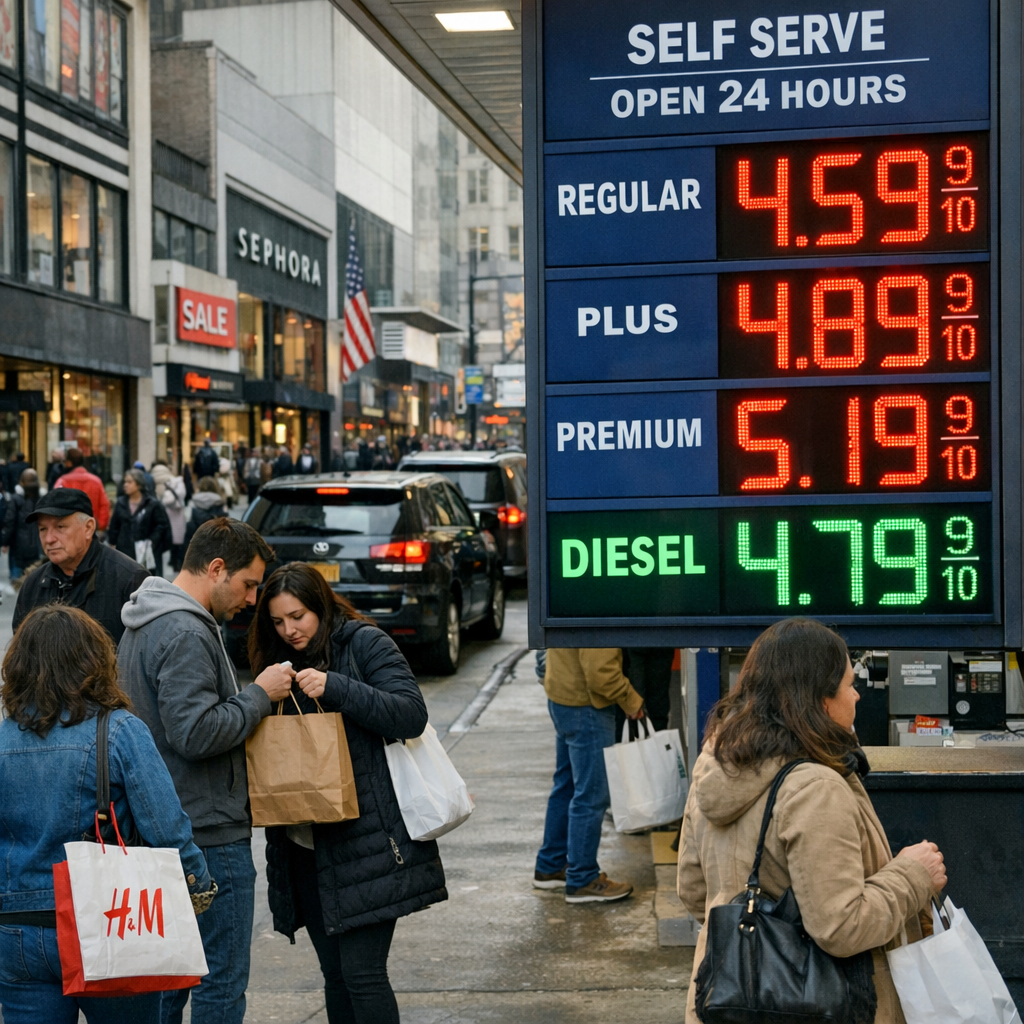
Inflation has been a significant concern, with the rate reaching 3.8% in April, marking the highest level in nearly three years. This uptick is largely attributed to rising energy costs, particularly gasoline prices, which have surpassed $4.50 per gallon nationally and exceeded $5 in several states. These increases are partly due to recent geopolitical events affecting global oil supply chains.
Employment and Consumer Confidence
While the job market has shown resilience, with consumer spending rising by 0.5% in April, there are signs of caution. The New York Federal Reserve’s Survey of Consumer Expectations indicates that households are increasingly concerned about potential layoffs and their financial stability. The perceived probability of job loss has risen, and the likelihood of missing minimum debt payments has increased to 12.6%. Additionally, a growing number of households report being worse off financially compared to the previous year.
Political Implications
Economic dissatisfaction is influencing political dynamics. A recent Reuters/Ipsos poll reveals that 70% of Americans disapprove of President Donald Trump’s handling of the cost-of-living crisis, a higher disapproval rate than his predecessor faced at the end of his term. This sentiment is eroding the traditional Republican advantage on economic issues, with Democrats now nearly tied in public perception. As the midterm elections approach, the economy is poised to be a critical battleground.
Looking Ahead
As the nation navigates these economic challenges, it is essential for both policymakers and citizens to stay informed and proactive. Monitoring inflation trends, employment data, and consumer sentiment will be key to developing strategies that promote economic stability and growth.