

The United States economy is experiencing a period of notable change, influenced by various factors including trade policies, labor market dynamics, and fiscal decisions. Understanding these developments is crucial for both individuals and businesses as they navigate the evolving economic landscape.
Trade Policies and Tariffs
Recent trade policies have introduced new tariffs on imports from several countries. These measures aim to protect domestic industries but have also led to increased costs for consumers and businesses. The long-term effects of these tariffs are still unfolding, with potential implications for international trade relationships and domestic economic growth.
Labor Market Trends
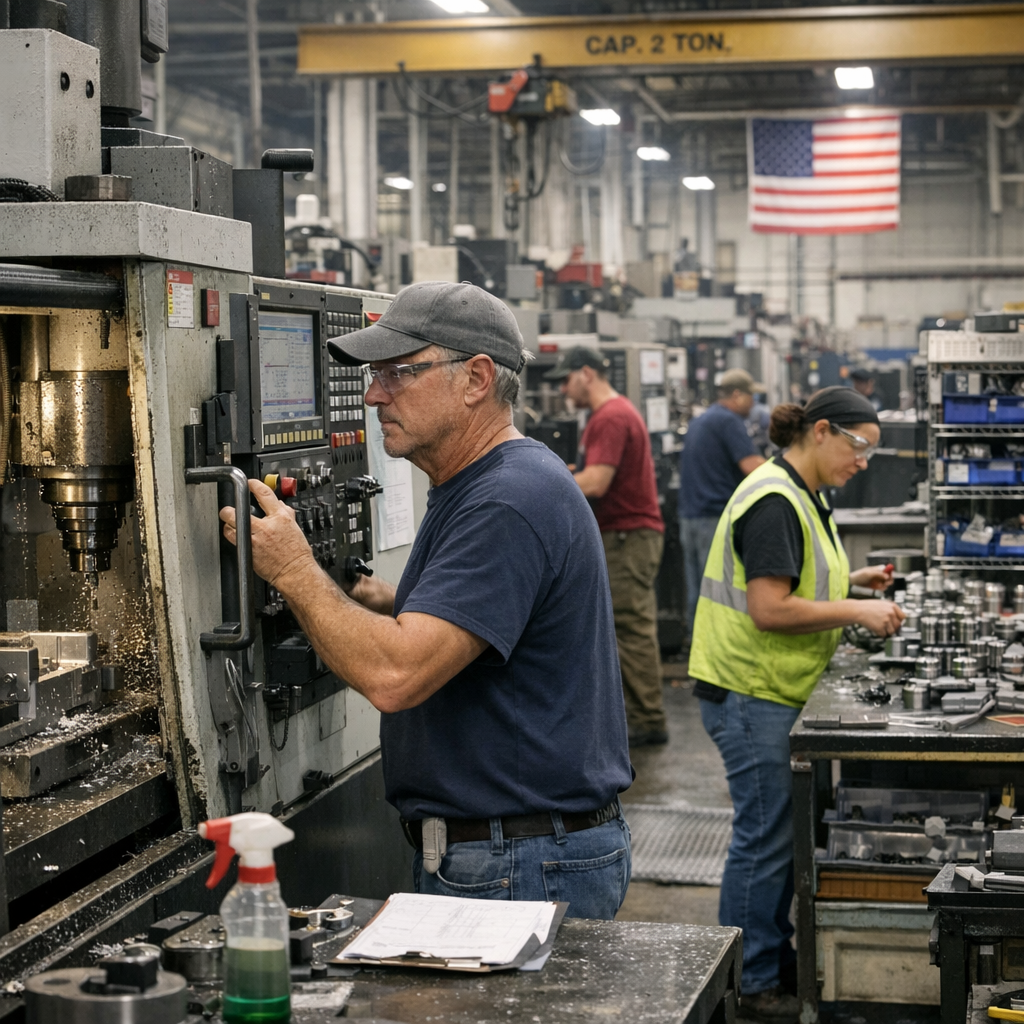
The labor market has shown resilience, with steady unemployment rates. However, there are signs of slowing job growth in certain sectors. For instance, the manufacturing industry has experienced a decline in employment, raising concerns about the future of industrial jobs in the country.
Inflation and Consumer Prices
Inflation rates have seen a modest increase, affecting the purchasing power of consumers. Prices for goods and services, particularly those heavily reliant on imports, have risen. This trend underscores the importance of monitoring inflation as it impacts household budgets and overall economic stability.
Federal Reserve Policies
The Federal Reserve has maintained its benchmark interest rates, balancing the need to control inflation with the goal of supporting economic growth. The central bank’s decisions are closely watched, as they influence borrowing costs for consumers and businesses alike.
Looking Ahead
As the U.S. economy continues to adapt to these changes, staying informed about policy decisions and economic indicators is essential. Individuals and businesses should consider these factors in their financial planning and strategic decisions to navigate the shifting economic environment effectively.