

By Ava Washington
The current state of global hunger
Recent reports from the United Nations and partner agencies indicate a gradual decline in global hunger. In 2025, about 7.8% of the world’s population—roughly 645 million people—were undernourished, down from 8.1% the previous year. These gains represent a consistent, though modest, step forward. However, food insecurity remains deep-rooted and uneven across different regions. Sub-Saharan Africa continues to carry a disproportionate share of the burden.
Broader measures tell a more worrying story: approximately 2.1 billion people around the world endure moderate or severe food insecurity, meaning that at times they must compromise on either quality or quantity of their food. These figures are improving year over year—but not fast enough to meet the United Nations’ Sustainable Development Goal of ending hunger by 2030.
What’s driving the crisis
Conflict and instability
War, internal conflict, and political instability remain the leading causes of acute hunger. In 2025, two famines were officially declared—in parts of the Gaza Strip and Sudan. Millions more are at risk in neighboring regions. Conflict not only interrupts food production but also displaces communities, cuts off access, and hampers aid delivery.
Climate shocks
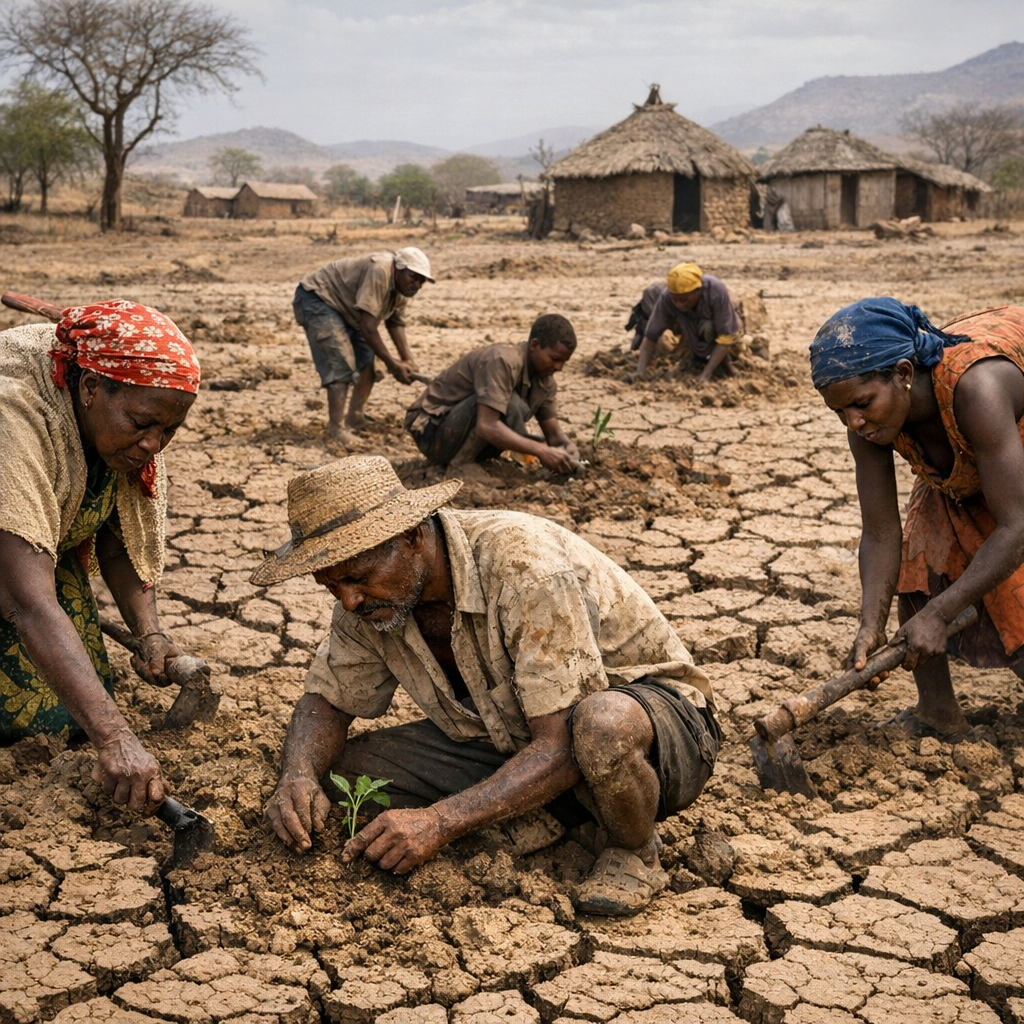
Extreme weather events—from droughts to floods—are growing more frequent and severe. These climate shocks destroy crops and disrupt supply chains, pushing vulnerable populations deeper into need. Forecasts warn that a possible El Niño event could further strain food production in regions already under stress.
Economic pressures
Sharp rises in price for agricultural inputs like fertilizer, as well as high food inflation, are squeezing households and farmers alike. Conflicts in strategic waterways have driven up costs and threatened import-dependent economies. For many, even when food is available, healthy diets remain unaffordable.
Where regional disparities persist
Improvements in Asia and Latin America contrast with stagnation—or even backsliding—in parts of Africa where population growth, conflict, and economic hardship collide. Even in countries with overall progress, rural populations frequently fare worse than urban ones, and women tend to endure greater vulnerability to food insecurity.
What can break the cycle
Responding requires coordinated effort across governments, aid organizations, and local communities. Peacebuilding and stability are non-negotiable first steps. Strengthening early warning and agricultural resilience programs; investing in infrastructure and smallholder farmers; and ensuring aid is adequately funded can help buffer shocks. Equally important is addressing systemic issues like equitable access to land and markets.
Why it matters for Bellevue and beyond
Though these issues seem far away, the ripple effects reach us here—from global supply chains impacting food prices, to migration and geopolitical instability influencing regional and international security. For those of us in Bellevue, every effort to support sustainable, resilient food systems worldwide is ultimately an investment in collective stability—economically, environmentally, and morally.
Outlook
Global hunger is decreasing slowly but unevenly. Without intensified urgent action on conflict resolution, climate adaptation, and food affordability, the goal of eliminating hunger by 2030 will likely remain out of reach. Still, the latest progress offers hope—and a reminder that lasting solutions demand global solidarity and focused effort.