

By Amelia Wright
Where Bellevue Fits in America’s Sports Momentum
Recent national data shows over 80% of Americans aged 6 and up are now active in at least one sport or fitness activity—marking a record high. The boost appears widespread, especially in team sports like basketball, baseball, and flag football. At the same time, fewer people are inactive. Bellevue reflects these patterns at the local level—youth leagues are bustling, and adult recreational and community-based clubs are drawing more participation than ever. (SFIA data; local youth sports registrations)
Highlights from Bellevue High Schools and Local Clubs
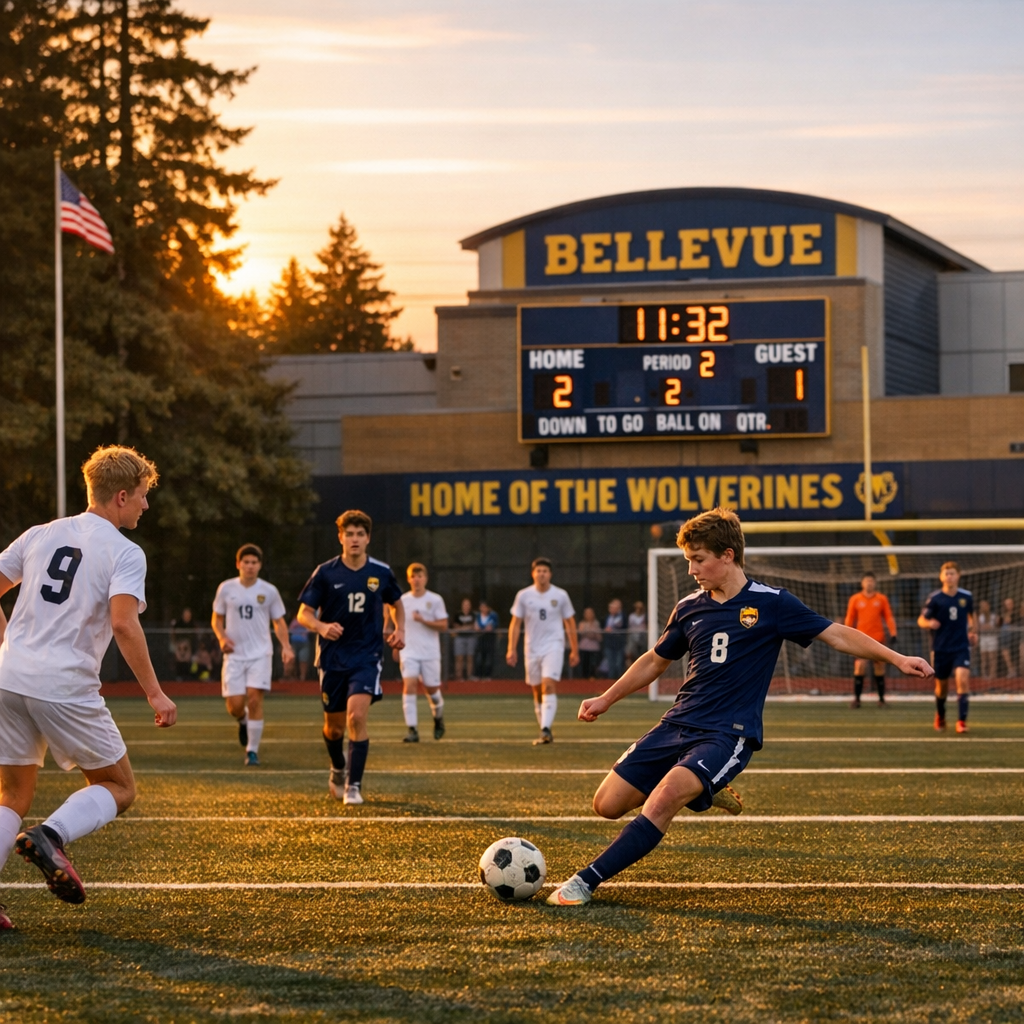
Bellevue High School continues its reputation for excellence in athletics. Students compete across many sports including football, soccer, cross country, track and field, wrestling, basketball, volleyball, tennis, golf, and more. Athletic programs emphasize not just competition but growth in leadership, teamwork, and discipline.
Beyond school sports, Bellevue has thriving community options. Lake Hills Soccer Club offers recreational and select soccer programs for kids ages 5-18, and is committed to affordable, inclusive access. Clubs like Bellevue FC bring together adults with all levels of experience, focusing on camaraderie and fair play. These programs point to a broader trend: people seeking both competitive outlets and inclusive environments that let anyone play.
Emerging Trends and Challenges
Sports participation nationally is diversifying. Life-style sports—like flag football, 3×3 basketball, padel—and social formats are gaining traction, especially among younger athletes. These forms often blend fitness, fun, and community, and Bellevue is adapting: youth programs now offer “modified rec” options and drop-in formats that prioritize flexible schedules and lower costs.
The rising cost is a critical barrier. Families and leagues are facing growing expenses for equipment, facility usage, travel, and coaching. While Bellevue Parks & Community Services offers financial assistance and the city strives to keep rates low, the cost challenge remains one many locals juggle. Ensuring equity in access is increasingly becoming a central concern for both organizers and city leaders.
What This Means for Coaches, Players, and Fans
Surveying Bellevue’s sports landscape gives a few takeaways:
- Programs that combine competitive and recreational elements are growing. Many families want development without pressure. Cities and schools that offer flexible formats seem to attract broader participation.
- Inclusive community sports—not just formal school or club teams—play a vital role in keeping people engaged long-term. Drop-in play, mixed‐gender games, and adult leagues are filling gaps.
- Local leaders and organizers should pay attention to cost, facility availability, and scheduling flexibility—these turn out to be as important as coaching or competition level in keeping athletes in the game.
Looking Forward
Bellevue’s sports scene sits at a juncture where national trends meet local values—well-rounded youth development, community connection, inclusive play. By embracing both the excitement of emerging sports and the essentials of traditional school and club programs, Bellevue can continue to grow an athletic ecosystem that works for everyone.