

By Amelia Wright
National Trends Reshaping Sports Participation
Across the U.S., broader participation is one of the clearest stories in 2026. From individual fitness to team sports, nearly all categories have seen growth—and that includes activities once considered niche like pickleball and outdoor recreation. For many Americans, engagement with sports is becoming less about watching a big game and more about personal activity and community-based play.
At the same time, college athletics is navigating significant changes. The shift in rules around Name, Image, and Likeness (NIL) has changed how student-athletes profit, recruit, and make decisions about transfer. Rivalries, fan loyalty, and college revenue models are all in flux.
Challenges: Affordability and Access
Despite rising interest and activity, costs threaten to limit access—especially for youth and lower-income families. Equipment, travel, and league fees are becoming steeper burdens. National opinion surveys reflect concern that opportunity to play is becoming less equal.
Additionally, many new or growing sports don’t yet benefit from the same infrastructure or attention that football, basketball, or baseball do. Emerging sports often depend on informal spaces or minimal investment—limiting pathways to high-school and competitive levels.
Bellevue’s Place—Local High School and College Highlights
Bellevue College has a diverse athletic roster—soccer, basketball, softball, golf, volleyball among others—with both women’s and men’s teams competing in the Northwest Athletic Conference (NWAC).
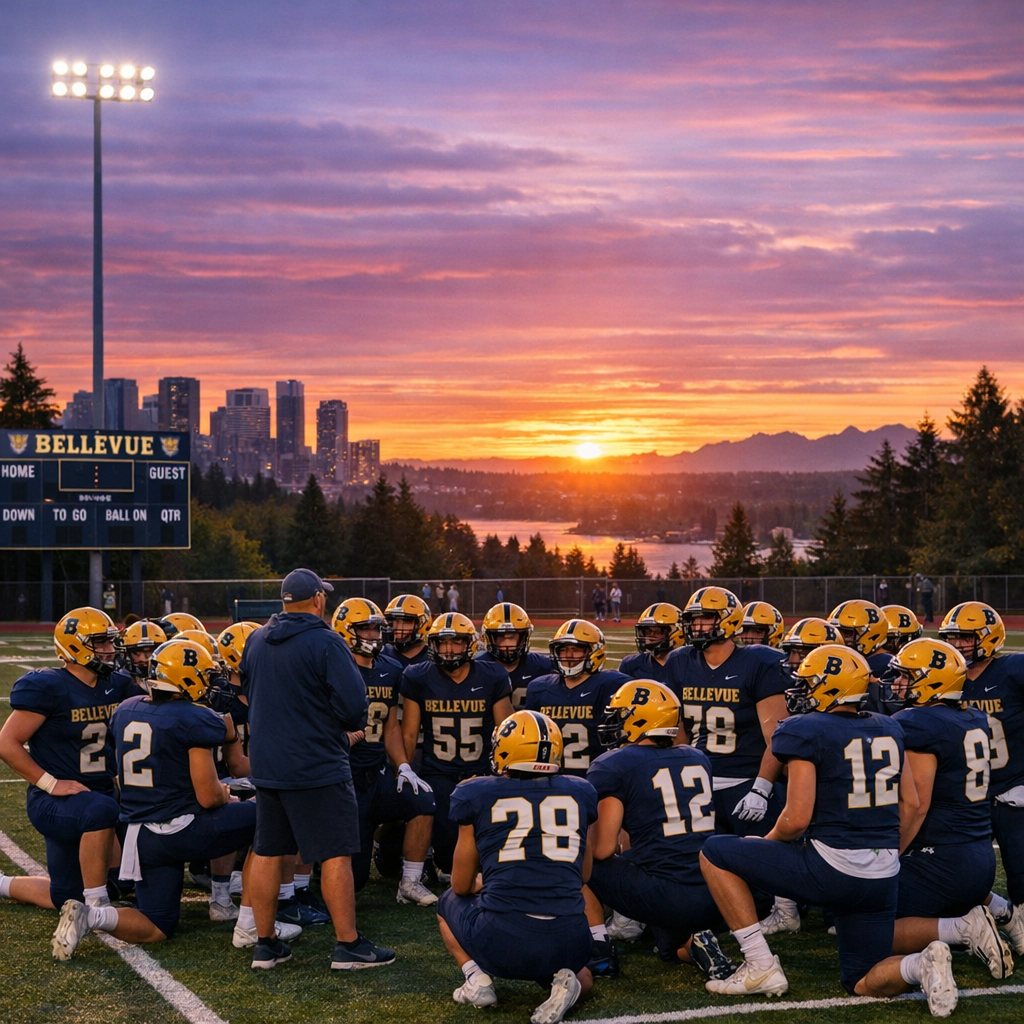
At the high-school level, Newport High School in Bellevue continues to shine, fielding strong teams across sports including lacrosse, soccer, swimming, and track and field. Community support remains vibrant, fueling team spirit and helping young athletes grow.
Synergies & Opportunities Locally
Because national momentum favors diverse participation and access, Bellevue has real opportunity to leverage existing strengths: public parks, community fitness, and enthusiastic school programs. More collaboration between school athletics, city parks & rec, and local clubs could help bring down barriers like cost and travel. Ensuring equipment pools, financial aid, and shared facilities are accessible will be key.
What to Watch Going Forward
- How Bellevue schools adapt to NIL-style dynamics, even at amateur or college levels—especially for high-school athletes seeking college scholarships.
- Which emerging sports begin gaining competitive footholds or formal recognition locally.
- Efforts to make sports more affordable and inclusive—whether through non-profit grants, cost sharing, or policy changes.
As national trends bend toward participation, fitness, and community, Bellevue seems well-positioned to thrive—if local institutions, families, and athletes keep pushing for access, fairness, and opportunity.