

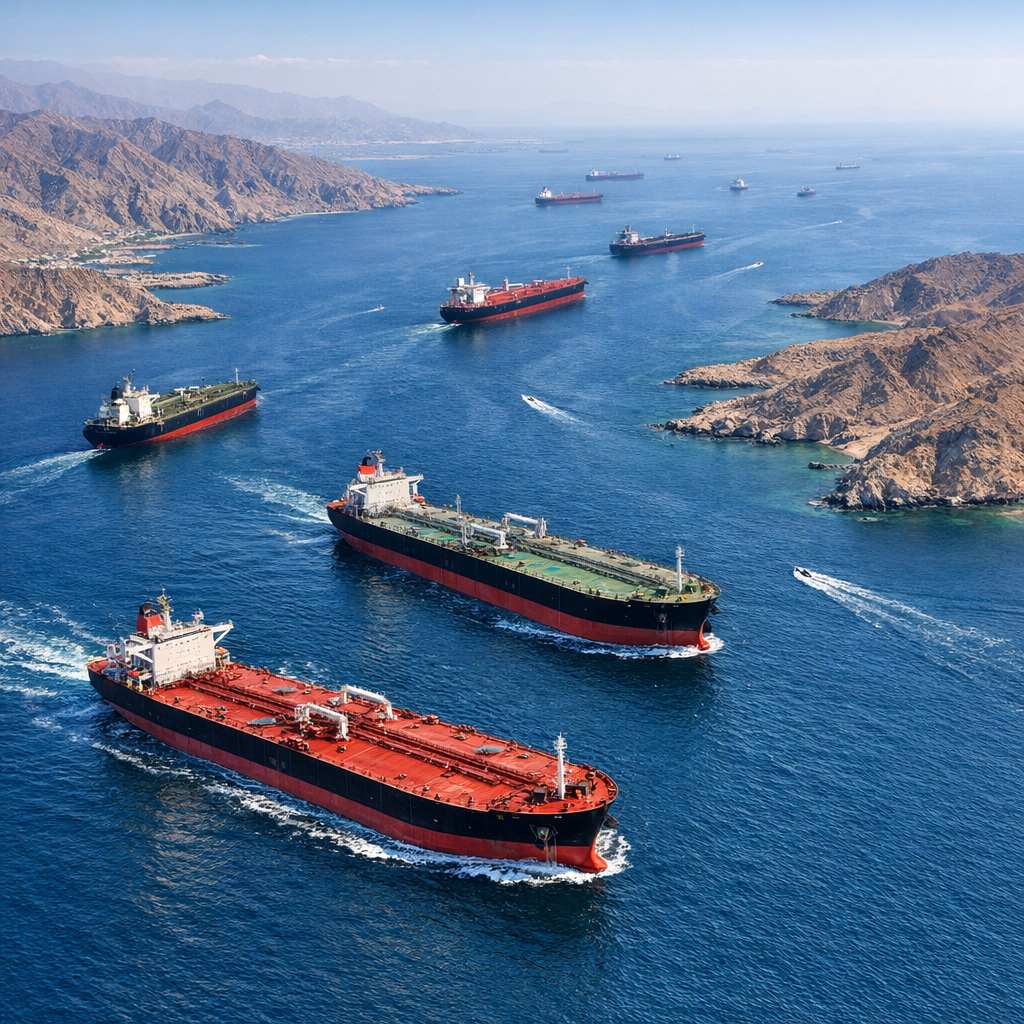
The United States and Iran have reached an agreement to reopen the Strait of Hormuz, a critical passage for global oil shipments. This development comes after a period of heightened tensions that had led to the strait’s closure, impacting international trade and energy markets.
President Donald Trump announced the agreement, stating that the reopening of the strait is a significant step toward stabilizing the region and ensuring the free flow of commerce. The deal includes provisions aimed at preventing future conflicts in the area, though specific details have not been disclosed.
The Strait of Hormuz is one of the world’s most important maritime chokepoints, with a substantial portion of the globe’s oil passing through it daily. Its closure had led to increased oil prices and concerns over global economic stability.
While the agreement is seen as a positive move, analysts caution that the situation remains delicate. Both nations have a history of complex relations, and the success of this agreement will depend on continued diplomatic efforts and mutual adherence to the terms set forth.
As the international community watches closely, the reopening of the Strait of Hormuz is expected to have immediate effects on global oil markets and may pave the way for further diplomatic engagements between the United States and Iran.