

Inflation and Economy: Mixed Signals
The U.S. economy expanded at a modest 1.5% annual pace in the second quarter, aligning with earlier estimates. Though incomes are rising, consumer spending has started to lose steam. Meanwhile, inflation remains elevated, with price gains—especially for essentials—still outpacing comfort for many households. Fed Chair Warsh has indicated rate hikes may be needed to contain inflation pressures. Market watchers are watching closely, given the strain on family budgets.
The consumer price index rose about 3.4 percent year-over-year, while durable cost categories such as medical care, airline fares, and shelter added notable increases. Energy price shocks tied to global trade tensions and geopolitical uncertainty have been major contributors to inflation. Core prices, excluding food and energy, have also eased somewhat—but not enough to remove concerns among economists and policymakers.
Legal Battles Over Voting, Presidential Power, and Accountability
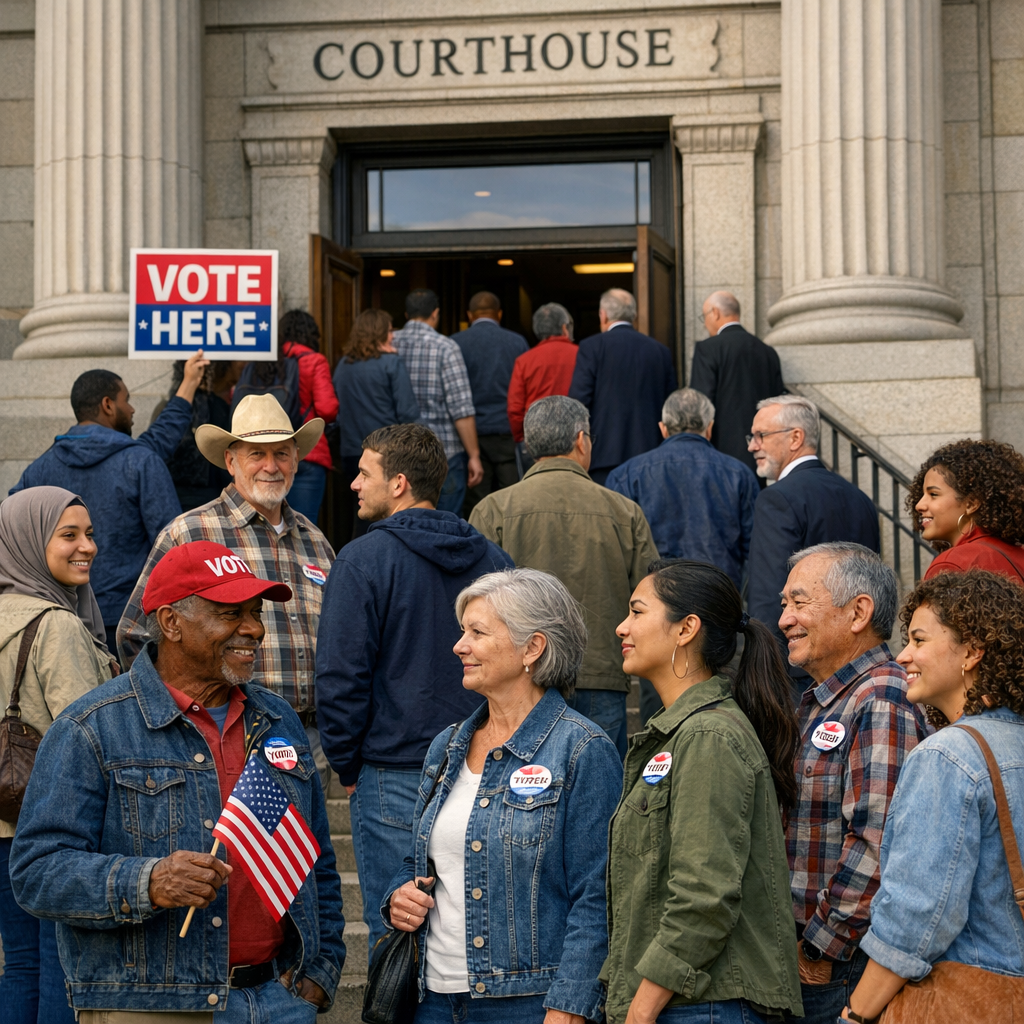
In recent days, several court decisions have shaken up debates over voting rights and presidential authority. The Supreme Court eased restrictions on President Trump’s executive order regarding mail-in voting, allowing the administration to resume planning for tighter rules around mail ballots and election procedures. Opponents argue the changes risk limiting access to voting for many Americans.
Separately, a federal judge rejected an attempt by President Trump to erase his state-level “hush-money” conviction by invoking presidential immunity, once again affirming that certain state legal actions remain outside a president’s shield. Critics of expansive claims to presidential power see this ruling as a reaffirmation of accountability.
What It Means Going Forward
Inflation’s persistence, especially when core prices remain elevated, leaves room for the Federal Reserve to consider further interest rate action. For millions of families and commuters, rising costs in housing, health care, and travel continue to eat into take-home earnings.
On the legal front, the rulings around voting and presidential powers underscore ongoing friction between branches of government and between state and federal authorities. These are not just court rulings—they shape how democracy operates, how campaigns run, and how much power the executive branch may claim.
For Bellevue residents and citizens nationwide, staying informed is essential. Economic pressures plus legal decisions around voting influence everyday life, from budgeting to participating in elections. These debates are active and impactful—and the stakes are high.