

By Evelyn Parker
Home Prices: A Gradual Decline
After years of strong growth, Bellevue’s median home price has softened. One recent estimate puts the citywide median sale price at around $1.5 million, down more than 10% compared to a year ago. Homes are staying on the market longer—about 8 days on average, instead of just a few days previously—suggesting buyers may be pausing for a more measured purchase. Realtor.com reports that the number of homes sold in Bellevue dipped slightly year-over-year. These shifts suggest a cooling phase rather than a crash, with demand still present but more cautious.
Rentals: High Costs, Slight Ebb
Rent remains high, though there are small signs of softening. The average rent across all home and bedroom types in Bellevue is approximately $3,150 per month, up modestly month-to-month but down slightly compared with a year ago. The number of active rental listings has dropped slightly over the past year. In some neighborhoods, rents are highly premium—areas like Northwest Bellevue and West Bellevue quote median rents of over $4,000 in many cases. For many renters, this means balancing location, space, and amenities more tightly than in past years.
New Projects & Policy Aims: What’s Changing
Major Affordable Housing Investments
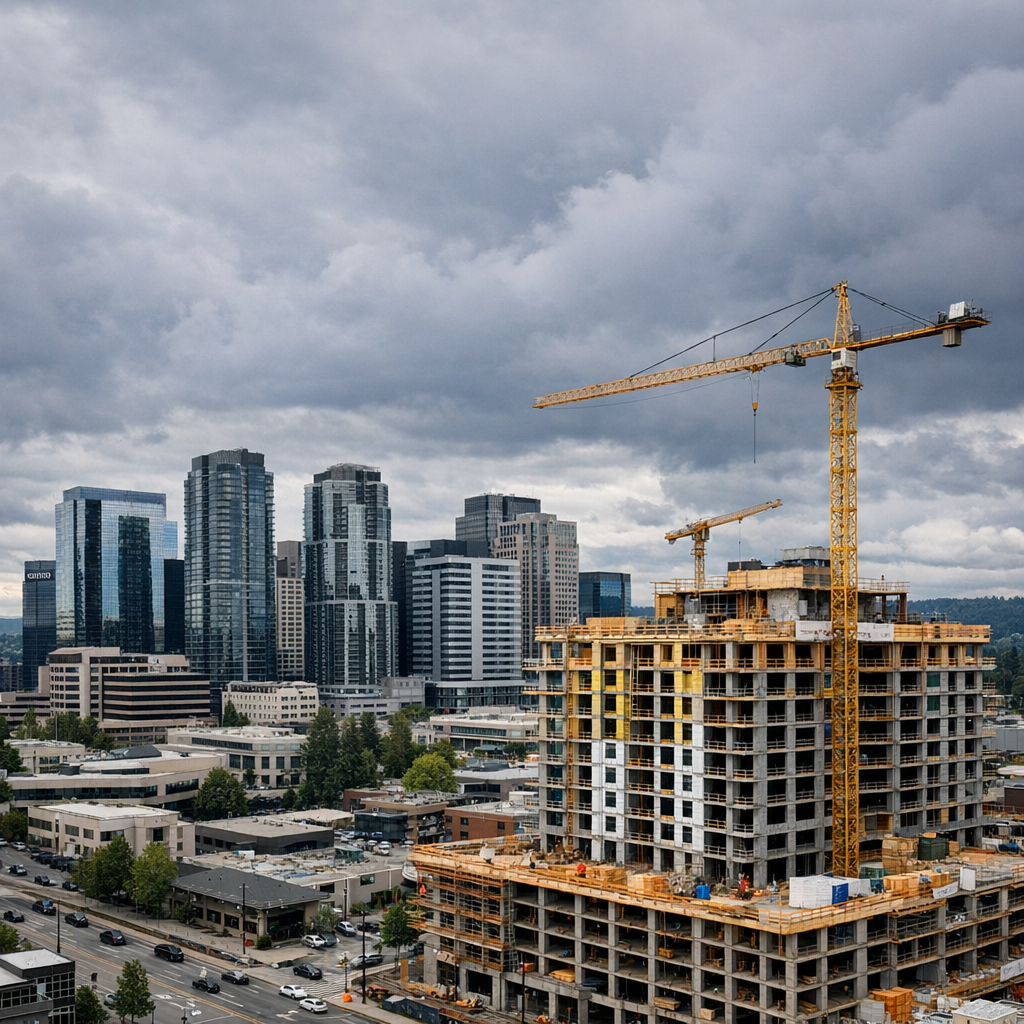
Bellevue has committed tens of millions of dollars toward building affordable housing. Recent city funding—more than $37 million—will support several developments aimed at adding hundreds of units affordable to households at various income levels. Among these are projects like “Altaire at East Main” and “Orchard Gardens,” which will offer both rental apartments and home ownership options for lower-income families.
Land Use Reform & Housing Opportunities
City leaders are pushing reforms known collectively as Next Right Work, which include easing rules for accessory dwelling units, duplexes, triplexes and quadplexes, and allowing higher density in mixed-use zones. Another related effort is the Housing Opportunities in Mixed Use Areas (HOMA) program, which intends to reduce zoning and regulatory barriers so more housing—including affordable units—can be built in areas with existing transit and services.
What This Means for Buyers, Renters, and Neighbors
- For buyers: While sticker shock remains real, slightly cooler prices and more inventory may grant more negotiating room—especially in neighborhoods farther from transit hubs or where homes haven’t had recent updates.
- For renters: With rents high but stabilizing, your position strengthens a bit—longer listing times and softer demand offer potential leverage for more favorable lease terms.
- For policymakers and developers: The path forward lies in aligning housing policy with transit, investing in affordability, and accelerating permitting and zoning changes. Bellevue’s own housing goals include preserving or creating thousands of affordable units over the next decade.
Bellevue’s housing market is in transition—moving away from explosive growth into a phase defined by balance. For many residents, this means closer attention to policy changes, development proposals, and what each neighborhood offers in terms of both cost and community.