

By Evelyn Parker
Market Snapshot: What’s Changing
The latest figures show Bellevue’s housing market is cooling a bit—but not collapsing. As of mid-2026, the median sale price for homes stands at about $1,560,100, up roughly 2.3% year-over-year. This modest increase reflects steady demand amid shifting buyer expectations.
Meanwhile, there’s more inventory than a few months ago—with about 640 homes currently listed, representing approximately 4.6 months’ worth of supply. For sellers, this means less pressure to accept the first offer; buyers may now have more room to negotiate, especially in less heated neighborhoods.
Rentals: Slight Softening but Still Strong
Rents are holding up but not rising rapidly. Citywide, the median rent in Bellevue is now around $3,138/month, showing a small drop year-over-year. Inventory of rentals has also dipped slightly. For renters, this is a moment to look closely—both for finding bargains and evaluating long-term costs vs. buying.
Key Trends Shaping Local Development
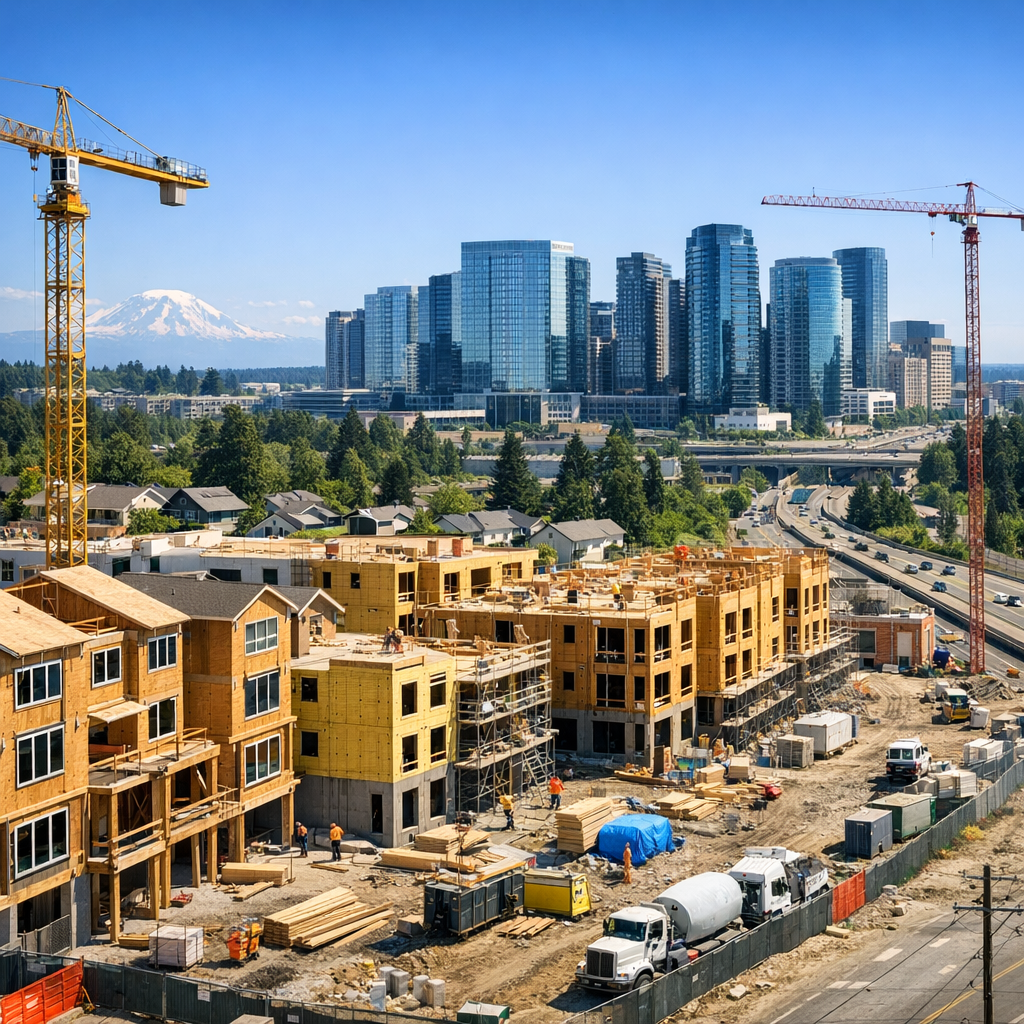
City planning efforts are underway to increase housing diversity and affordability. Among the noteworthy initiatives:
- Next Right Work Actions: These policy changes aim to allow more duplexes, triplexes, quadplexes, accessory dwelling units (ADUs), and update land-use rules to encourage affordable housing.
- Transit-Oriented Projects in BelRed Arts District: New developments along 130th Avenue NE will bring at least 172 affordable homes, arts-space, and a park-and-ride garage, helping connect housing, culture, and transit.
- Grand Connection Project: The City is planning redevelopment on city-owned Metro and Lincoln Center sites, integrating housing (both market-rate and potentially affordable), public gathering spaces, arts, and improved connectivity between downtown and Wilburton.
What This Means for You
If you’re considering buying, now might be a less frenzied time compared to previous years—but homes still move fairly quickly, and pricing is still high. Being pre-approved for a mortgage, flexible about location or type of home, and realistic about closing costs will help. For renters, there may be opportunities for better deals or newer listings, especially if you broaden your geographic preferences or find submarket gems.
Longer term, the city’s push for more affordable and diverse housing, particularly near transit, means more options may emerge in years ahead—townhomes, ADUs, mixed-use buildings, and projects aligned with Bellevue’s transportation growth. Be sure to stay aware of new rezones, code changes, and upcoming developments in neighborhoods you like.
Whether renting now or planning to buy in the future, understanding both what’s selling—and what’s being built—will help you make the most informed decision in Bellevue’s evolving housing landscape.