

By Evelyn Parker
Where Home Prices Stand
The median listing price for homes in Bellevue is currently about $1.54 million, reflecting a modest year-over-year increase of around 1.8%, according to recent MLS-based data. For homes that are sold, though, there’s been a slight dip—sales values are down nearly 0.2% compared to last year, and price per square foot has dropped by nearly 4%. Homes are taking longer to sell than prior periods—about 20-30 days more. Zillow’s home value index puts Bellevue typical home values near $1.42 million, down close to 3.9% year-over-year.
Rental Scene in Bellevue: Stabilizing or Softening?
Rents in Bellevue have been relatively flat, with some small shifts depending on bedroom size and location. The average monthly rent across unit types is around $2,800. Studios lease in the low $2,000s, one-bedrooms range from about $2,400–$2,600, and two-bedroom units often exceed $3,000. Year over year, some rents have slipped slightly, others held steady, suggesting demand has eased compared to the pressure of recent years.
What’s Driving the Change
- Inventory and market balance: Active listings have ticked up, buyer competition has eased a bit, and sellers often accept offers slightly below listing price. These shifts suggest the market is moving toward more balance between supply and demand.
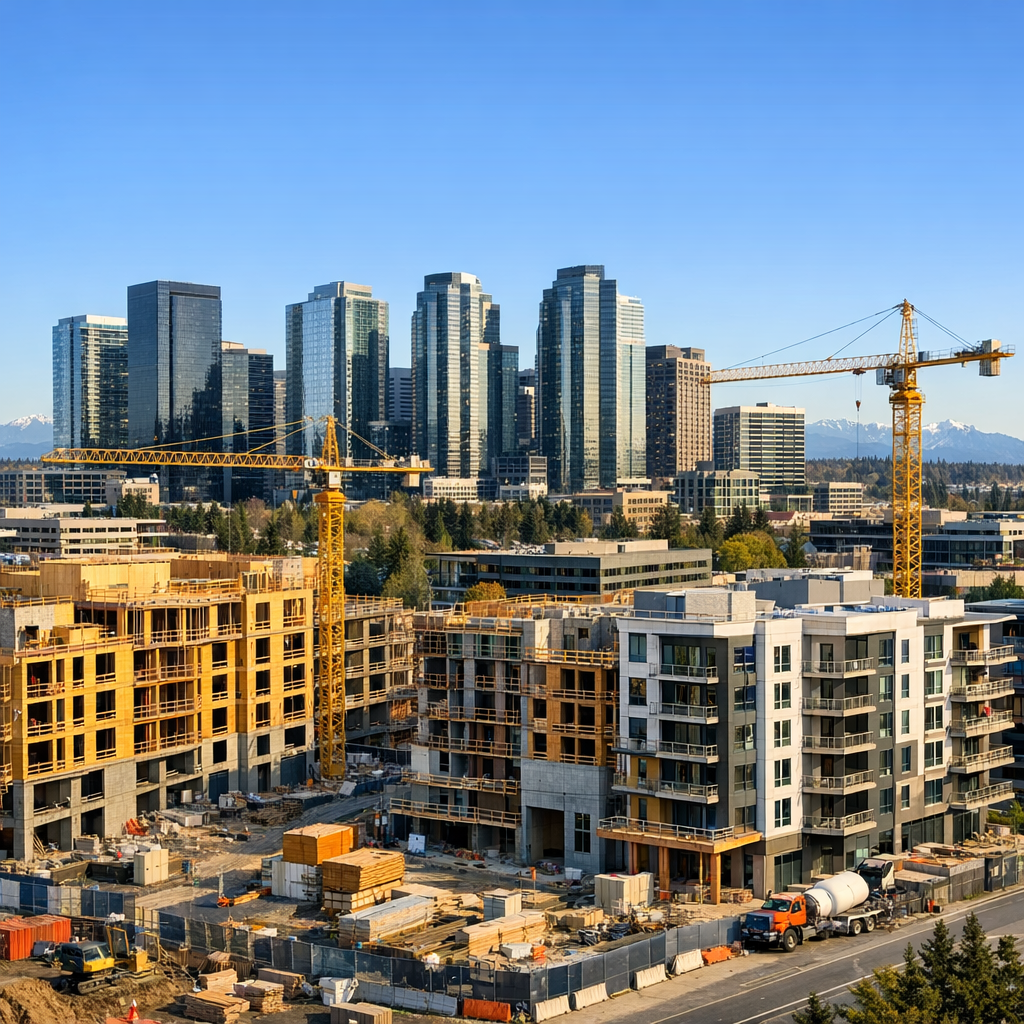
- Policy interventions: Bellevue has adopted a package called “Next Right Work” aimed at increasing housing diversity. These policy moves ease zoning restrictions, allow more ADUs, duplexes, triplexes, and quadplexes, and reduce permitting barriers for affordable housing projects.
- Affordable housing investments: The city recently approved over $37 million to fund the creation of 271 new affordable rental units and hundreds more Eastside-wide. Projects include Forest Edge, Altaire at East Main, Bellevue TOD, and Orchard Gardens. These target households at 30-80% of area median income and include homes for families exiting homelessness.
- Changing value perceptions: Luxury and high-end homes still command high prices, especially in neighborhoods like Northwest Bellevue, West Bellevue, and parts of Wilburton. Sanctions like days on market and downward pressures on price/sq ft are more visible in upper price tiers than in mid-market or affordable segments.
Advice for Home Buyers
Buyers should weigh current pricing trends carefully. With sales prices softening slightly, there may be opportunity to negotiate in select neighborhoods. Considering smaller or older homes, or areas farther from high-cost zones, can offer better value. For those prioritizing transit access or near-city conveniences, policies easing zoning and encouraging density might open more housing supply in the near term.
What Renters Should Know
Renter demand remains relatively strong for units under $3,000, though luxury apartments face a slower leasing pace. Fixed-income or area-median income renters may find more favorable opportunities in smaller units, or in older buildings. Transit-oriented developments and mixed-use neighborhoods may offer longer term upside in terms of access and amenities.
Looking Ahead
Bellevue’s housing landscape is in a transitional phase—home values cooling slightly, rents flattening, and municipal policies activating to inject more housing options into the market. How these pieces fit together over the next year will be important: supply levels, affordability, and neighborhood-scale change will all play a role in whether Bellevue remains accessible for a broader mix of households.