

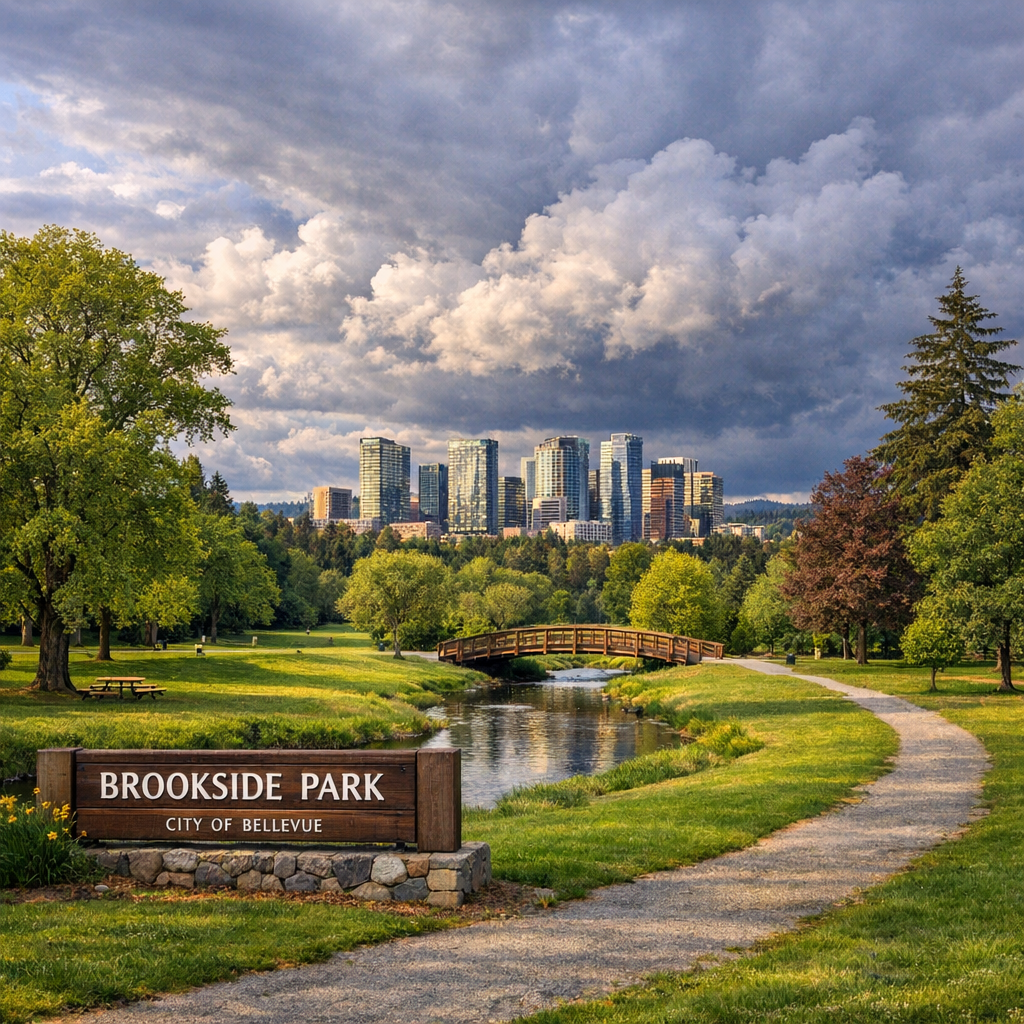
Hi, I’m Michael Carter covering weather and environment here in Bellevue. Our city sits in a dynamic climate zone where weather shapes daily life, ecosystems, and planning. Let’s take a look at Bellevue’s recurring patterns, emerging shifts, and what it means for our homes, nature, and future.
Rainfall and Seasonal Cycles
Bellevue’s climate is classified as a warm-summer Mediterranean (Csb) type—characterized by wet winters and dry summers. On average, about 80 percent of our annual precipitation falls between October and April, while May through September are much drier. Summers tend to be moderate with few hot days, and winters are cool and moist. Data based on NOAA-period climate normals and Bellevue’s own records. 4-5°C lows, highs rarely exceeding 30 °C in summer.
Warming Trends and What’s Changing
Over the past several decades, Bellevue has seen a consistent warming trend. Annual average temperatures rose by roughly 1.4°C between 1940 and 2025, with coldest nights becoming milder and frosty days fewer. Meanwhile, precipitation hasn’t dropped dramatically overall, but rainfall is arriving in heavier bursts during the fall and winter months. That raises concerns for stormwater management and stream health. Based on long-term climate analyses.
Air Quality and Wildfire Smoke
Bellevue’s air quality is influenced not only by vehicle emissions and urban runoff but increasingly by wildfire smoke drifting in from other regions. Bellevue’s city studies have modeled pollution concentrations near freeways to better understand hotspots and sensitive areas. Poor air quality has public health implications—especially for children, older adults, and those with respiratory conditions.
City Strategies and Community Action
The city has adopted the 2026-2030 Sustainable Bellevue Plan, which sets ambitious targets: cutting greenhouse gas emissions community-wide, transitioning buildings and transport toward cleaner energy, strengthening natural systems, and safeguarding our streams. Bellevue is also using climate vulnerability assessments, improving stormwater infrastructure, and updating land use planning to account for air pollution risks near major roads.
What You Can Do
- Watch for air quality alerts and limit outdoor activity during smoke events.
- Make small changes at home—lower thermostat settings in winter or summer, conserve water, and reduce reliance on fossil fuels.
- Support native landscaping and trees around your neighborhood to enhance shade, soil health, and stormwater absorption.
- Stay engaged—attend city sustainability meetings or use Bellevue’s environmental dashboards to track progress.
Here in Bellevue, weather isn’t just something we talk about—it’s something we live through. As climate shifts continue, understanding the rhythms of our local weather and environment helps us adapt and thrive together.