

By Mason Jones
Across the United States, several developments in recent months are converging to reshape how power, policy, and everyday costs affect Americans. From Supreme Court rulings to inflation pressures and debates over presidential authority, the terrain of national politics and the economy feels both familiar and uncharted.
Supreme Court term: What changed, what stayed
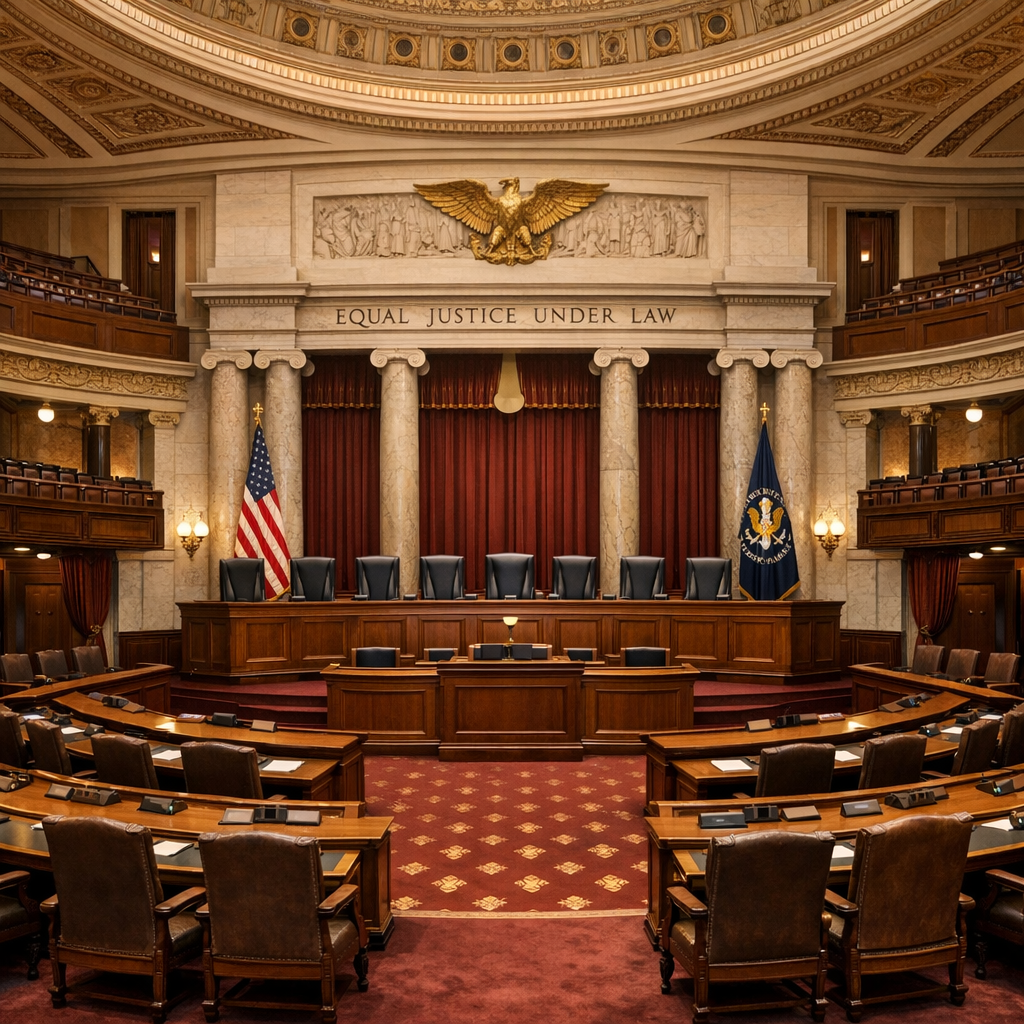
The Supreme Court’s recent term handed President Donald Trump a number of wins involving immigration, the structure of federal agencies, and election laws—but not without meaningful limits. Key rulings have shifted how much power the president and Congress hold, particularly in areas like tariff authority and agency governance. Some cases boosted presidential control over executive branch officials, while others preserved regulatory or legal constraints. The Court also permitted the end of legal protections for migrants from Haiti and Syria, exposing more people to deportation risk. barely avoided allowing a unilateral change to birthright citizenship, which had sparked broad debate.
The economy and headline inflation
On the economic front, Americans are watching prices closely. Consumer prices rose 0.4% in August alone and are up 3.4% from a year ago, according to the latest Consumer Price Index report. Energy costs—especially gasoline—are playing a major role, along with rent and travel expenses. Core inflation (excluding food and energy) rose 2.4% over the past year.
Even as inflation lingers, the broader picture of economic growth has shown resilience. Job losses haven’t appeared in large numbers, though hiring has cooled in sectors sensitive to interest rates. But many households report feeling squeezed, especially when costs for basics keep outpacing wage gains.
Presidential powers and legal checks
The Supreme Court rulings also curb certain presidential reach—particularly around independent regulatory bodies and emergency powers. While the Court endorsed expanded authority in some regulatory contexts, in others it reinforced congressional limits. For example, efforts to change birthright citizenship faced rejection, and tariff-issuing powers remain linked to Congress.