

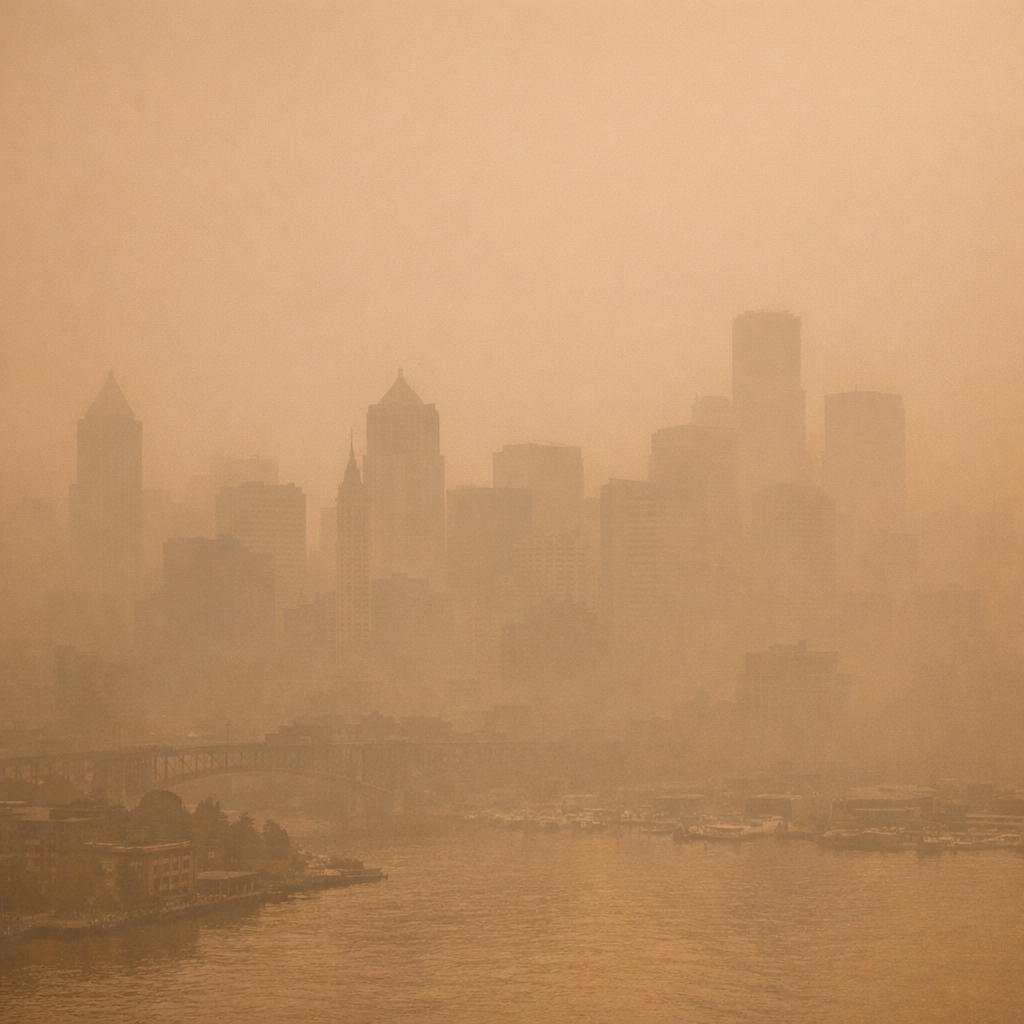
Wildfire smoke has become a pressing concern for air quality across the United States. Recent events have highlighted the severity of this issue, with cities such as Detroit and Chicago experiencing significant pollution levels due to smoke from Canadian wildfires. This situation underscores the broader implications of wildfire smoke on public health and the environment.
Health Implications of Wildfire Smoke
Exposure to wildfire smoke can lead to a range of health issues, particularly for vulnerable populations such as children, the elderly, and individuals with pre-existing respiratory conditions. Fine particulate matter in the smoke can penetrate deep into the lungs, causing respiratory distress and exacerbating conditions like asthma and bronchitis.
Environmental and Economic Impact
Beyond health concerns, wildfire smoke can have detrimental effects on the environment, including reduced visibility and damage to ecosystems. Economically, areas affected by poor air quality may see declines in tourism and increased healthcare costs.
Mitigation and Preparedness
To mitigate the impact of wildfire smoke, it’s essential for communities to stay informed about air quality levels and adhere to public health advisories. Utilizing air purifiers, wearing masks designed to filter fine particles, and limiting outdoor activities during high pollution periods are practical steps individuals can take. Additionally, supporting policies aimed at reducing wildfire risks and promoting sustainable land management practices can contribute to long-term solutions.
As residents of Bellevue, Washington, we are not immune to the effects of distant wildfires. Staying vigilant and prepared is crucial to safeguarding our health and well-being in the face of this ongoing environmental challenge.