

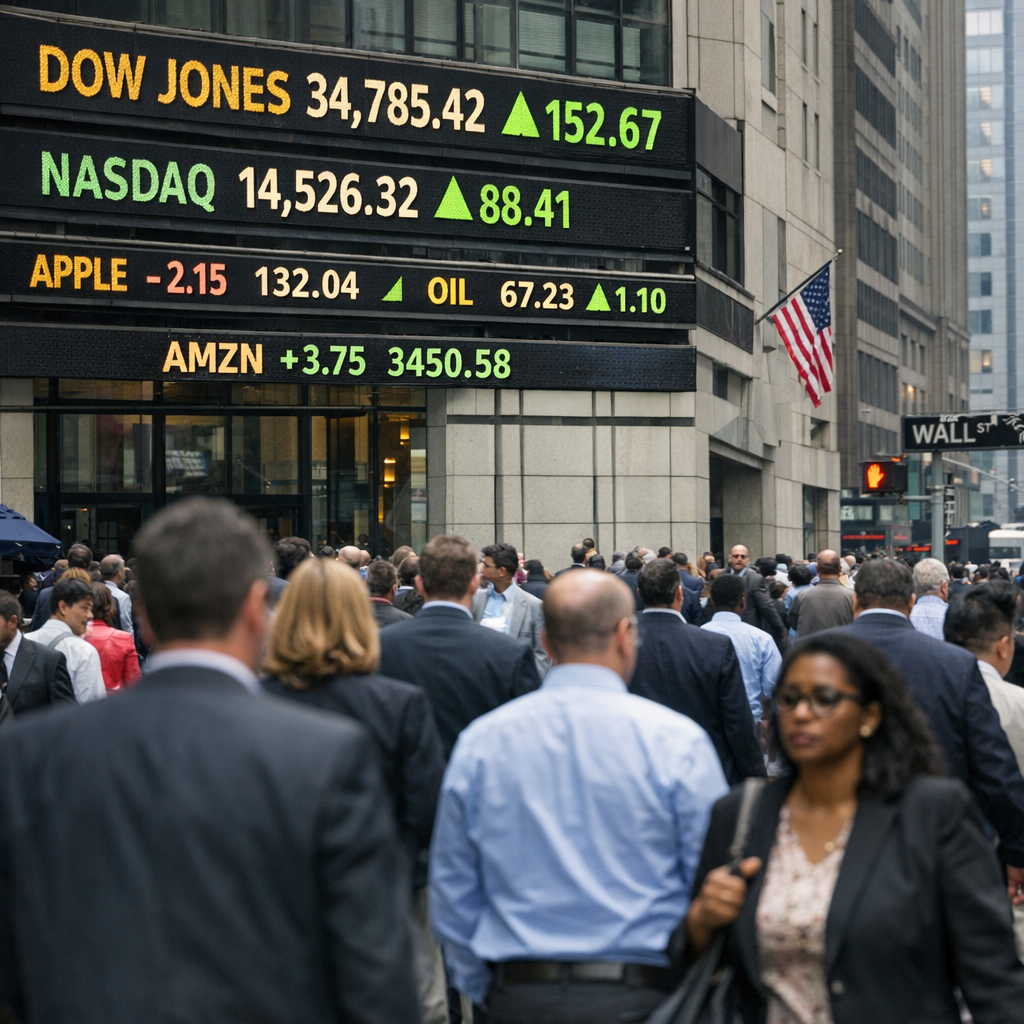
The U.S. economy is a complex and dynamic system influenced by various factors, including employment rates, inflation, consumer spending, and global events. Understanding these elements is crucial for both policymakers and citizens as they navigate the financial landscape.
Employment and Unemployment
Employment rates serve as a primary indicator of economic health. A low unemployment rate typically signifies a robust economy, while higher rates may indicate economic challenges. Monitoring job creation across different sectors provides insight into which industries are expanding or contracting.
Inflation and Consumer Prices
Inflation reflects the rate at which the general level of prices for goods and services is rising. Moderate inflation is normal in a growing economy, but excessive inflation can erode purchasing power. The Consumer Price Index (CPI) is a common measure used to track inflation trends.
Consumer Spending
Consumer spending accounts for a significant portion of economic activity. High levels of spending suggest consumer confidence and economic growth, while declines may signal economic downturns. Retail sales data and consumer confidence indices are tools used to gauge spending behaviors.
Global Influences
International events, such as trade agreements, geopolitical tensions, and global pandemics, can have profound effects on the U.S. economy. For instance, disruptions in global supply chains can lead to shortages and price increases domestically.
Conclusion
Staying informed about these economic indicators helps individuals and businesses make informed decisions. Regularly consulting reputable sources and economic reports can provide valuable insights into the nation’s financial health.