

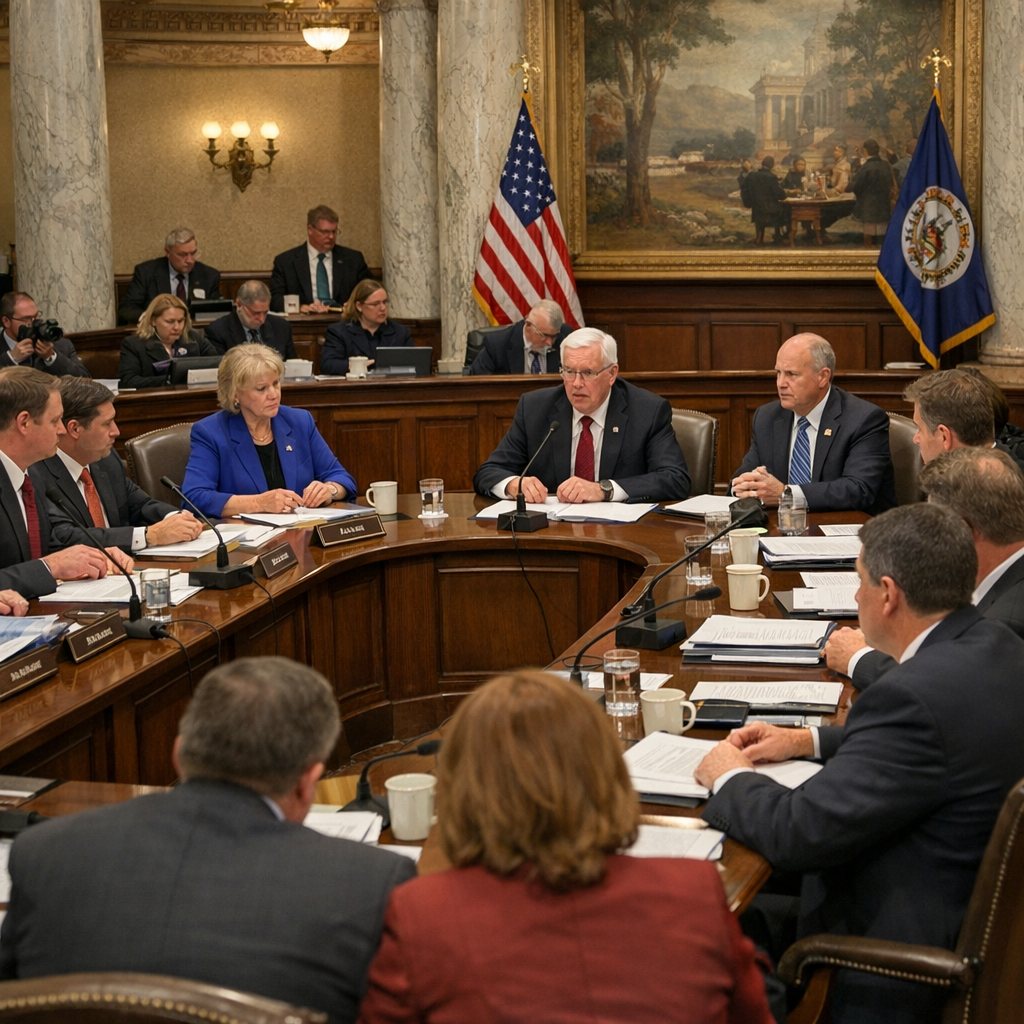
When a U.S. Senator vacates their seat before the end of their term, the process to fill the vacancy varies by state, impacting both state representation and national politics.
Appointment vs. Special Election
States typically follow one of two methods to fill a Senate vacancy:
- Gubernatorial Appointment: The state’s governor appoints a replacement to serve until the next scheduled election. This method allows for a swift transition but places significant power in the hands of the governor.
- Special Election: A special election is held to elect a new senator. This approach ensures that the replacement is chosen by the electorate but can leave the seat vacant for an extended period.
State-Specific Procedures
Each state has its own laws governing the process. For example, some states require the governor to appoint a replacement from the same political party as the departing senator, while others grant the governor more discretion.
Implications for Representation
The method chosen can influence state representation. An appointment may not reflect the current political climate if the governor’s choice doesn’t align with the electorate’s preferences. Conversely, a special election, while more democratic, can be costly and time-consuming.
Recent Examples
In recent years, several states have faced Senate vacancies, each handling the situation according to their laws. These instances highlight the importance of understanding state-specific procedures and their impact on governance.
Conclusion
Filling a U.S. Senate vacancy is a complex process with significant implications. It’s essential for citizens to be aware of their state’s procedures to ensure informed participation in the democratic process.