

by Mia Cooper
I moved to Bellevue almost a decade ago chasing the promise of vibrant neighborhoods, strong schools, and natural beauty around every corner. What I didn’t expect was how hard it would be to find a place I could afford—and once I found one, how much I’d miss access to parks and trees. These two issues—housing affordability and green space—are often discussed separately, but in our community they overlap in ways we can’t ignore.
The Housing Strain Is Real
Many Bellevue residents are shouldering housing costs that leave little room for anything else. Nearly one-third of households spend more than 30% of their income on housing. That number isn’t just a statistic—it’s a paycheck spent before a car payment, after groceries. Teachers, healthcare workers, service staff—they’re all in this tight squeeze. Even for those households that inch above the deepest poverty level, finding housing that doesn’t demand more than half of income remains a daily struggle.
Barriers Beyond Bricks and Mortar
Three major obstacles keep affordable housing from matching demand. First: costs. Between expensive land, construction, and city fees, deep affordability is increasingly expensive to build and maintain. Second: policy and incentives. City strategies strive to increase housing under 50% area median income (AMI), but creating enough of it while keeping projects feasible remains tough. Third: access and awareness. Sometimes there are units, but application systems are confusing, waitlists are long, and fragmented information leaves people out.
Green Spaces Are Being Eroded—But They’re Essential
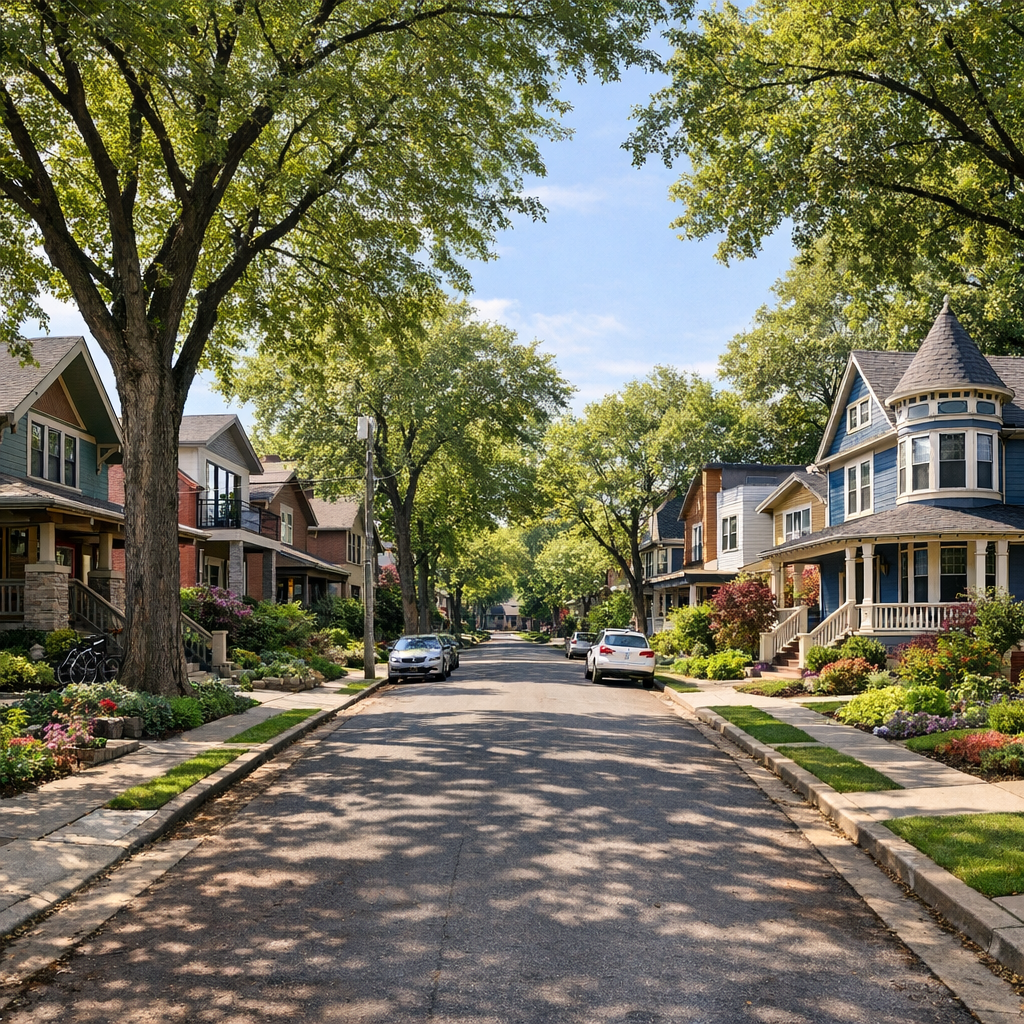
Parks, trees, trail access—every time we lose them in favor of new housing or development, we lose part of what makes Bellevue livable. Bellevue has set goals: for example, increasing tree canopy coverage, expanding access to open spaces within walking distance for more households, preserving natural systems. These aren’t luxury goals. They’re core to health, environmental resilience, and even social equity.
Connection Between Housing & Nature Access
It turns out that the stress of housing instability or high housing costs has measurable health impacts—mental strain, less time outside, broader implications for well-being. At the same time, neighborhoods with limited green cover are hotter, louder, less protected against stormwater runoff. For people squeezed into dense housing, every park, every tree matters. Yet, often, affordable housing projects or high-growth zones are located in areas already lacking green infrastructure.
Where We Can Head From Here
We need solutions that consider both affordability and nature together—not one or the other. Some ideas that feel urgent to me:
- Streamline affordable housing permitting with nature protection in mind—reducing time and cost, but also ensuring trees, gardens, parks are part of the plan.
- Create more shared green spaces in denser housing areas—community gardens, pocket parks, walking trails—that serve as breathing room.
- Improve visibility and simplicity in affordable housing programs. Make waitlists easier to navigate. Let folks know where the green spaces are in their neighborhood.
- Embed environmental justice into housing policy. Ensure that affordability programs target areas with low green cover and environmental risk so that those most vulnerable benefit.
I share this not just as someone who crossed my fingers when rent was due, but as someone who believes Bellevue can be better. We don’t have to choose between a home and a tree. Our community is big enough, smart enough, and caring enough to build both.