

By Mia Cooper
Growing up in Bellevue, I always believed in its promise: top schools, clean parks, efficient services. But as I’ve gotten older—helping neighbors, volunteering in community organizations—I’ve come to see that Bellevue’s promise isn’t shared equally. Some of us still face real barriers when it comes to accessing health care, behavioral support, and human services.
The Gaps Aren’t Invisible
The city of Bellevue funds over 60 programs through its Human Services division, working with more than 80 agencies to help residents with low to moderate incomes, immigrants, refugees, people with disabilities, and members of the LGBTQIA2S+ community. These programs span housing stability, food and basic needs, medical and dental care, navigation services, and more. The mission is to ensure everyone in our city “has equitable access … to feel a sense of belonging, and to thrive.” Yet many people I’ve spoken with—particularly those in rural borders or where language, mobility, or tech disconnects make outreach hard—don’t know those services exist or how to use them.
Behavioral Health: Waiting Is a Barrier
Behavioral health services are among the most critical pressure points. A city survey found that fewer than half of people seeking mental health counseling or helping with substance use felt they could access it in a reasonable time after asking. Only 27% said substance‐use services were easily available in the community. This isn’t just numbers—it’s people enduring longer episodes of pain, crises escalating, and even families asking “How do I begin?” before even reaching out.
What Holds Us Back
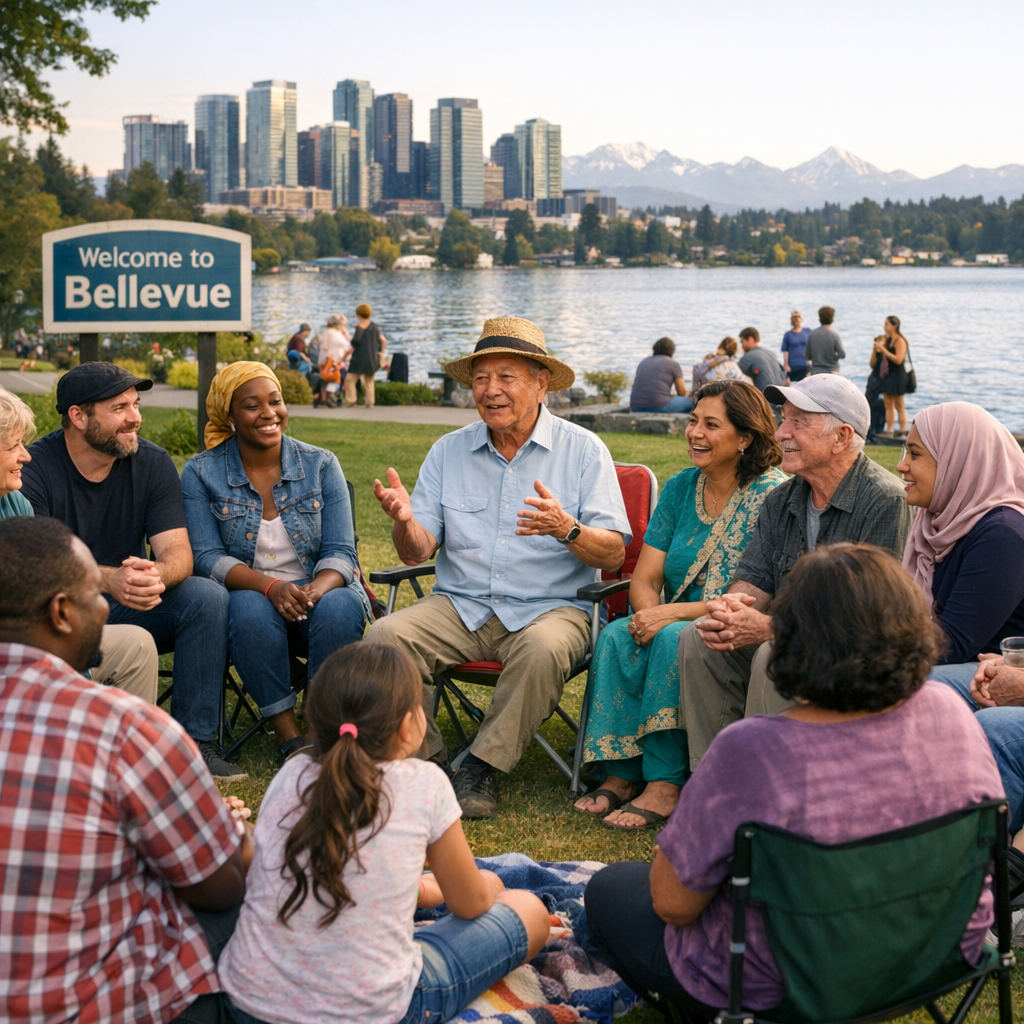
I learned some of the reasons behind the gaps when I helped host a neighborhood listening session last month. Here are what people told me:
- Language and cultural barriers: Services exist, but pamphlets are in English, websites assume tech access, and provider options that understand cultural norms are limited.
- Time and proximity: Transportation is hard if you don’t live near transit corridors. Hours of service may conflict with work. Appointments require lengthy waits.
- Awareness: Many people simply don’t know what resources are available. The city’s Human Services Fund supports lots of programs, but outreach is inconsistent—especially in neighborhoods far from downtown.
What Progress Looks Like—and What Needs Work
There are reasons to feel hopeful. Bellevue is updating its Affordable Housing strategy, investing in diversity and equity planning, improving city transparency and public engagement tools. Mental health support in schools has strengthened—with the Bellevue School District expanding the Mental Health Assistance Team, partnerships with community-based providers, and crisis support options.
Steps Toward Real Equity
But real equity isn’t about more programs on paper—it is about lived inclusion. That requires:
- Multilingual and culturally rooted communication—let outreach come from trusted community voices.
- Flexible scheduling and mobile or virtual access—services that meet people where they are.
- Faster pathways for crisis care—reduce wait times, improve triage, connect people to emergency lines and peer support without gatekeeping.
- Listening with accountability—holding city and agencies responsible for closing access gaps, not just reporting results.
A Call for All Our Voices
Bellevue can be a place where everyone—regardless of income, background, ZIP code—has the chance to thrive. I believe we get there when we start from where people are, not from what they’re missing. When services are accessible, trusted, and known.
If you’ve faced access barriers or know someone who has, speak up. Check Bellevue Human Services, reach out through the School District, or simply share your story with neighbors and officials. Because progress often starts with one voice—and many voices together can make change.