

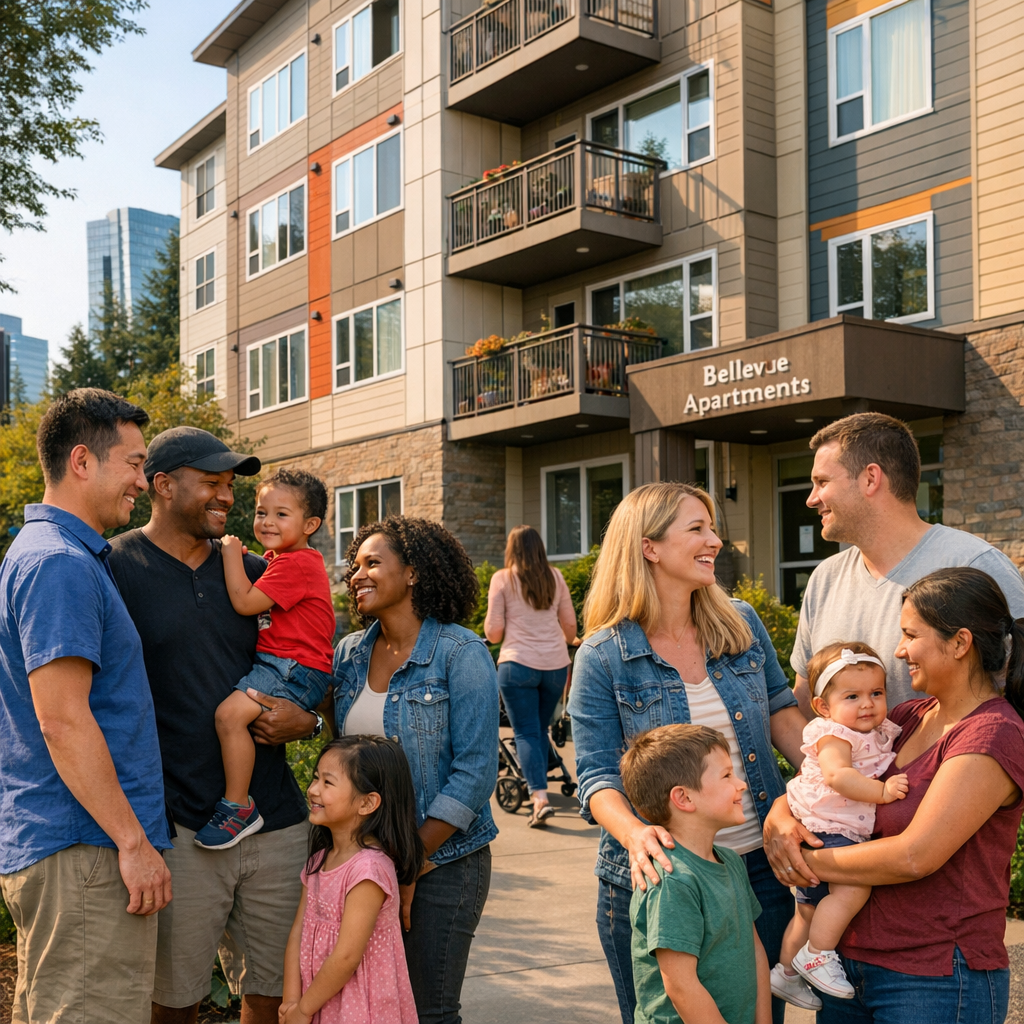
I was born in Bellevue, and when I think of my childhood, I remember the sound of laughter echoing in parks before sunset, the sense that no matter age or income, everyone had a place here. Lately, I’ve watched that picture blur for many neighbors: people working in schools, restaurants, caregiving—those we rely on—questioning whether they can afford to stay.
Not just price tags: the stakes are human
The latest Affordable Housing Strategy adopted by Bellevue identifies goals like creating 5,700 new homes and strengthening supports for residents across incomes. It’s a plan with heart, but it’s built upon stories—real people whose lives are in flux because housing costs are rising faster than paychecks. A teacher described the squeeze of wanting to keep working close to their school, yet watching housing drift further from financial reach. Another long-time resident worries over property taxes on a home occupied for decades—years of memories—suspecting they might one day have to leave the neighborhood they love. These are not abstractions; they’re choices about stability, belonging, identity.
Where solutions and challenges meet
Bellevue has moved forward on several fronts: recent city funding rounds are the largest in its history, unlocking dozens of affordable housing units—including family-sized homes in walkable neighborhoods. A project approved in Wilburton turned a former putt-putt site into new housing, balancing preservation of open land with growth. These investments matter. They are bridges for people who want to remain part of Bellevue’s shared life, not just to visit but to contribute, to stay.
Voices often unheard—and that’s changing
Across the 2026-2032 Strategy’s engagement process, hundreds of Bellevue residents and dozens of organizations shared their housing stories: struggles to find places for caregivers, accessible homes for those with physical limitations, options for elderly residents aging in place. Each story echoes a need that goes beyond affordability—transportation, accessibility, neighborhood cohesion.
A shared commitment
I believe Bellevue’s strength lies in what we promise each other: safe streets, clean parks, caring neighbors. When affordable housing is recognized not as a burden, but as something that keeps our community whole, solutions follow. We need zoning that allows more diverse housing types; funding that supports those without wealth or high incomes; policies that preserve the dignity of those already here. These are not lofty ideals—they are the backbone of every neighbor’s story.
When my friend, who works multiple jobs, tells me she’s looking for something affordable closer to her workplace so she can spend less time commuting and more with her child—the economics of housing stop being only numbers and become woven into the rhythms of daily life. Bellevue’s future will be brighter if those stories guide its decisions, so every family, every senior, every worker, and every dream feels like they belong here.