

By Mia Cooper
Bellevue is growing fast—skyscrapers, new residents, and ambitious plans. Amid that change, what keeps me grounded is the pulse of everyday life: the conversations, small wins, and shared spaces that make this place feel like home. Here are a few reflections on how power is shifting toward residents—and why that matters to all of us.
1. Communities of Color Leading the Conversation
In recent years, Bellevue has pushed beyond traditional public meetings to create spaces where people from historically underrepresented communities can lead with their own voices. The Centering Communities of Color initiative set new standards: instead of just soliciting feedback, it invited leadership from Black, Indigenous, Latino, Asian Pacific Islander, and other communities to guide policy and plan real changes. In those dialogues, folks didn’t just tell; they shaped. And policies emerged that respond more directly to lived experience—whether it’s around equitable access, language support, or cultural responsiveness.
2. Small Businesses as Pillars of Identity
Old Bellevue, for example, is more than just pretty storefronts—it’s a place where women-owned cafés, boutiques, and studios add texture and meaning to our daily lives. When you choose to eat at Bellden Café or browse handpicked art, you’re doing more than a transaction. You’re supporting values: kindness, community, sustainability. These small businesses tell Bellevue’s story—not through slogans, but by caring deeply, day in and day out, about what it means to serve neighbors.
3. Parks, Trails, and Shared Space Build Belonging
Walking through Bellevue’s trails or stopping at a neighborhood park, it’s obvious our open spaces are among the most cherished parts of the city. Over 2,700 acres of parks and open space offer room to move, to breathe, to connect. But it isn’t just acreage—it’s maintenance, safety, accessibility. Surveys show residents overwhelmingly feel safe in Bellevue parks. Yet there are places where fences, lighting, signs, and pathways could do more to reassure everyone—including people with mobility challenges or those who don’t often feel seen.
4. What Happens When Power Shifts Close to Home
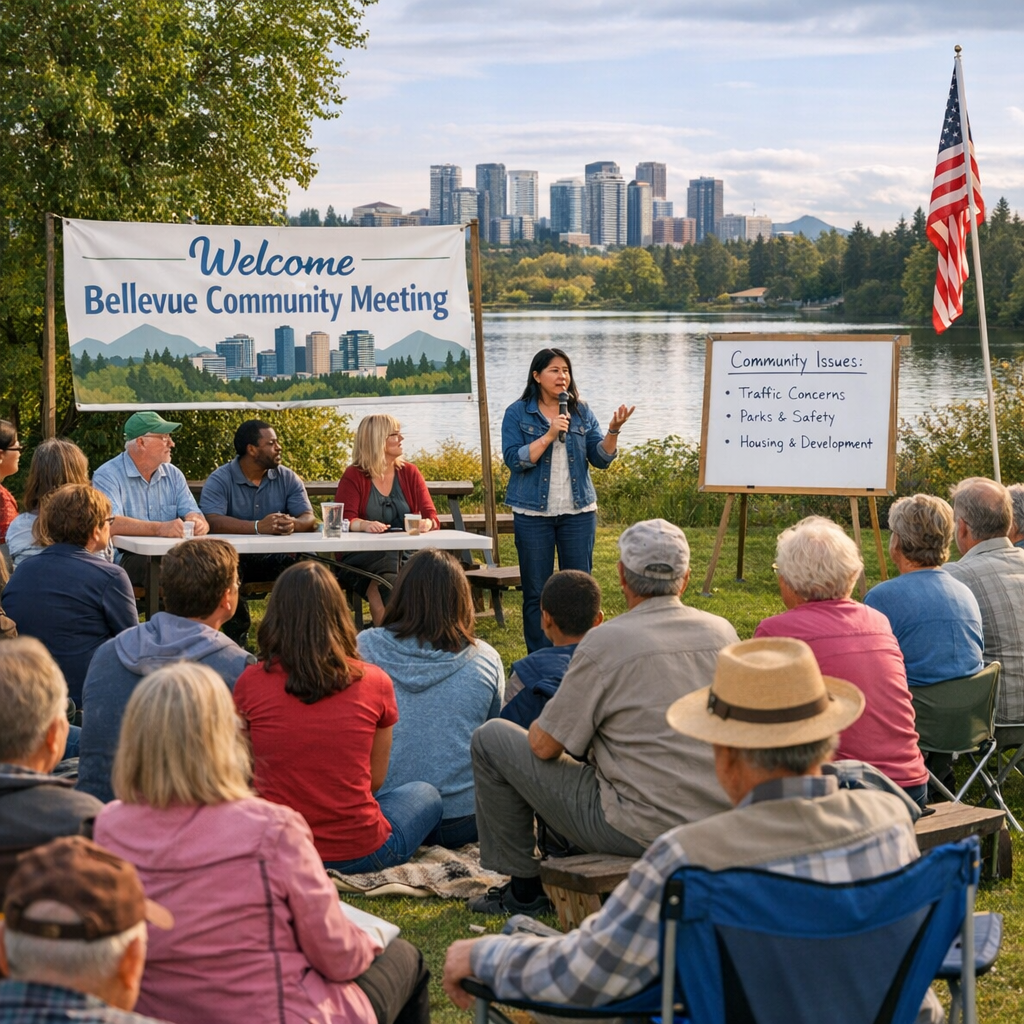
When local leaders invite people in—not just as public comment—but as co-creators, the results are different. Policies feel less like top-down mandates and more like shared project: clean parks, small business support, design that honors neighborhood character. When our small businesses succeed, when our culture shines, when parks are safe and welcoming—Bellevue becomes not just a place to live, but a place we build together.
I believe community isn’t something you find—it’s something you make. And it’s made with stories shared, problems tackled, and respect for voices that have too often been quieted. Bellevue isn’t perfect—there’s work ahead. But watching neighbors lead, connect, and transform their neighborhoods gives me hope. Because change rooted in community doesn’t fade when the headlines move on—it carries forward in parks where we walk, shops where we linger, and policies that reflect all of us.